
Shenandoah River State Park
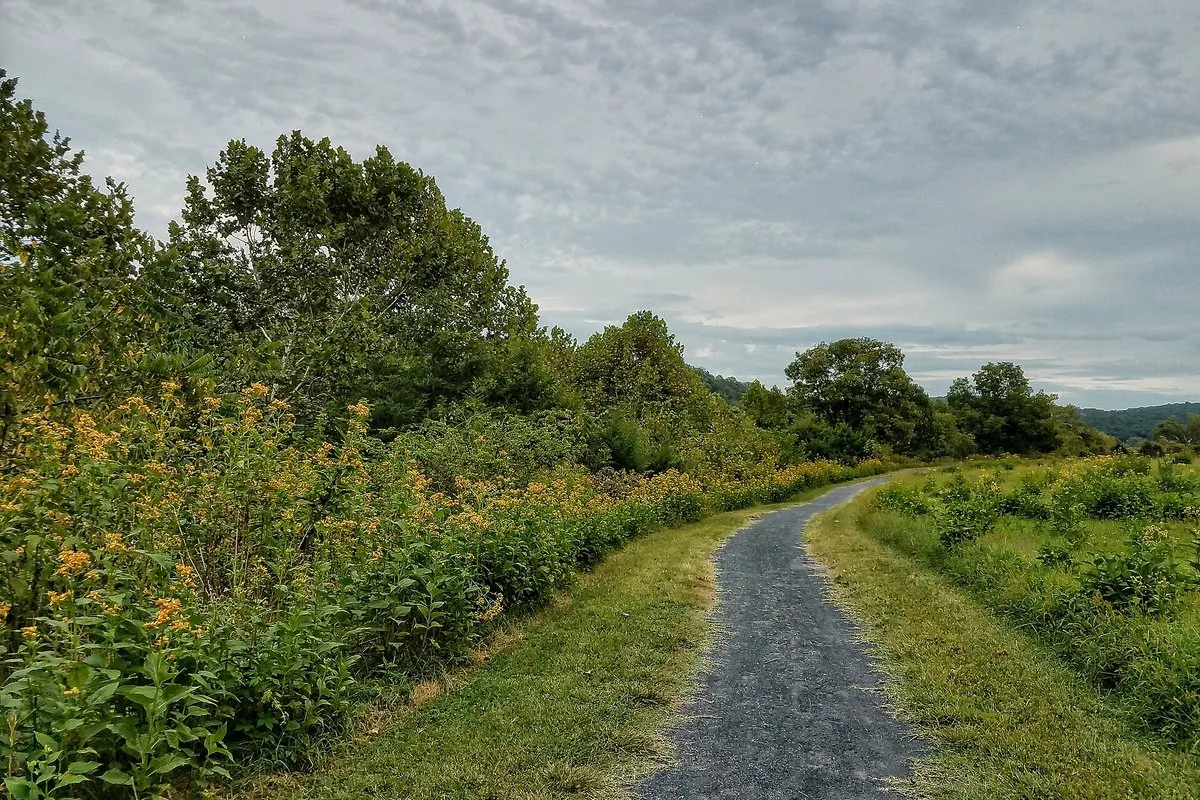
Shenandoah River State Park stretches along 5.2 miles of shoreline on the South Fork Shenandoah River in Warren County, Virginia, offering one of the most accessible river recreation experiences in the northern Shenandoah Valley. The park covers more than 1,600 acres and draws visitors who come specifically for the water, whether that means paddling the South Fork, watching herons work the shallows, or simply sitting on a gravel bar as the current moves past. The combination of open river access, forested ridgeline trails, and overnight accommodations makes it a destination that works equally well for a single afternoon or a long weekend.
South Fork Access: Paddling and the River Corridor
The river is the central reason most visitors come here. The park maintains a car-top boat launch in the day-use area, and additional car-top launches and outfitters are located within five minutes of the park, making it straightforward to put in for a float downstream or to paddle a section of the South Fork at a relaxed pace. The river runs wide and relatively calm through the park, which suits beginners and families, though water levels and currents vary by season and should be checked before any paddling trip. Anglers work the same stretches for smallmouth bass, catfish, and other species common to the Shenandoah watershed.
Wide gravel bars along the river provide natural rest spots and open views of the Blue Ridge foothills. These areas are popular for picnicking and wading during warmer months, and they give the park a character that feels different from purely land-based parks. The river frontage is genuinely the organizing feature of the whole property.
Trails Along the Ridge and River
The trail system covers 25 miles and runs through two distinct types of terrain: the wooded ridgelines above the valley floor and the flatter corridors closer to the river. The Bluff Trail and the River Trail are among the most traveled routes, offering different perspectives on the same landscape. The ridge trails climb to open overlooks with long views west toward Massanutten Mountain and east toward Shenandoah National Park. These higher sections tend to be quiet even on busy weekends.
All 25 miles are open to hikers and mountain bikers, and more than 14 miles are open to horses. The trail network connects well enough that visitors can build loops of varying lengths, from short walks of under two miles to longer combinations that take most of a day.
Camping and Cabins
The park offers multiple camping options. Cabins are available for reservation and stay popular through the warmer months, so advance booking is recommended. Riverfront primitive tent sites and standard tent and RV campsites are available as well, with some sites positioned to take advantage of proximity to the water. There are also group camping areas suited to larger parties or organized events.
The campground has modern restroom facilities and the park is staffed year-round, which gives overnight visitors reliable support. Fall is a particularly strong season for camping here, when the hardwood ridges turn and temperatures drop enough to make wood fires worthwhile.
Pet Policy
Pets are welcome throughout the park and are permitted on trails, in picnic areas, and in most outdoor spaces. They must be kept on a leash no longer than six feet at all times. Pets are permitted in most overnight facilities, with a nightly pet fee where required, but are not allowed in yurts or inside public facilities such as bathhouses, visitor centers, and park offices. Owners are responsible for cleaning up after their animals.
Wildlife to Be Aware Of
Black bears live in this part of Virginia and may be encountered in and around the park. Bears in this part of Virginia are generally not aggressive, but they should not be approached or fed. Store food securely at campsites, keep cooking areas clean, and be aware that a bear may move through a campsite if food or trash is left accessible. Making noise on quiet trails helps avoid close surprise encounters.
Copperheads and timber rattlesnakes both occur in this part of Virginia and may be encountered in the park. Copperheads favor leaf litter and rocky edges along wooded trails, while timber rattlesnakes are more associated with the exposed limestone outcrops on the higher ridges. Neither species is looking for a confrontation, but both can strike if startled or cornered. Watch where you step and where you place your hands, particularly when climbing over rocks or reaching into brush. Wearing ankle-covering footwear on the trails is strongly advisable.
Ticks are a persistent risk throughout the park in every season, with the highest exposure in tall grass, dense brush, and forested understory. Check yourself, your children, and your pets thoroughly after any time outdoors. Wearing light-colored clothing and using insect repellent reduces but does not eliminate exposure. Prompt removal of attached ticks lowers the risk of tick-borne illness significantly.
Practical Information
Shenandoah River State Park is located at 350 Daughter of Stars Drive, Bentonville, Virginia, approximately eight miles south of Front Royal on U.S. Route 340. The town of Front Royal is the nearest service hub and provides lodging, fuel, and restaurants. The main park entrance is well marked from Route 340.
A parking fee applies per vehicle, with rates varying by day and season. Annual passes are available and can offer savings for frequent visitors. Current rates are posted at dcr.virginia.gov/state-parks/parking-fees. Cabin and campsite reservations can be made through the Virginia State Parks reservation system and are strongly recommended for weekends and holidays between May and October. The park is open daily from 8 a.m. to dusk, and overnight facilities are open year-round.
Frequently Asked Questions
Are dogs allowed at Shenandoah River State Park?
Pets are welcome throughout the park, including on trails and in picnic areas, as long as they are kept on a leash no longer than six feet at all times. Pets are permitted in most overnight facilities, though a nightly pet fee may apply.
How much does it cost to enter Shenandoah River State Park?
A per-vehicle parking fee applies, with rates that vary by day and season, and annual passes are available. Current rates can be found at dcr.virginia.gov/state-parks/parking-fees.
Can you launch a kayak or canoe at Shenandoah River State Park?
The park maintains a car-top boat launch in the day-use area, and additional car-top launches and outfitters are located within five minutes of the park. The South Fork Shenandoah River runs wide and relatively calm through the park, making it suitable for beginners and families.
Are there bears or dangerous animals at Shenandoah River State Park?
Black bears are active throughout the park, especially near the river and wooded trails, and both copperhead and timber rattlesnakes can be found along rocky ridges and wooded trail edges. Ticks are also a year-round risk in tall grass and forested areas, so visitors should take precautions on all trails.