
False Cape State Park
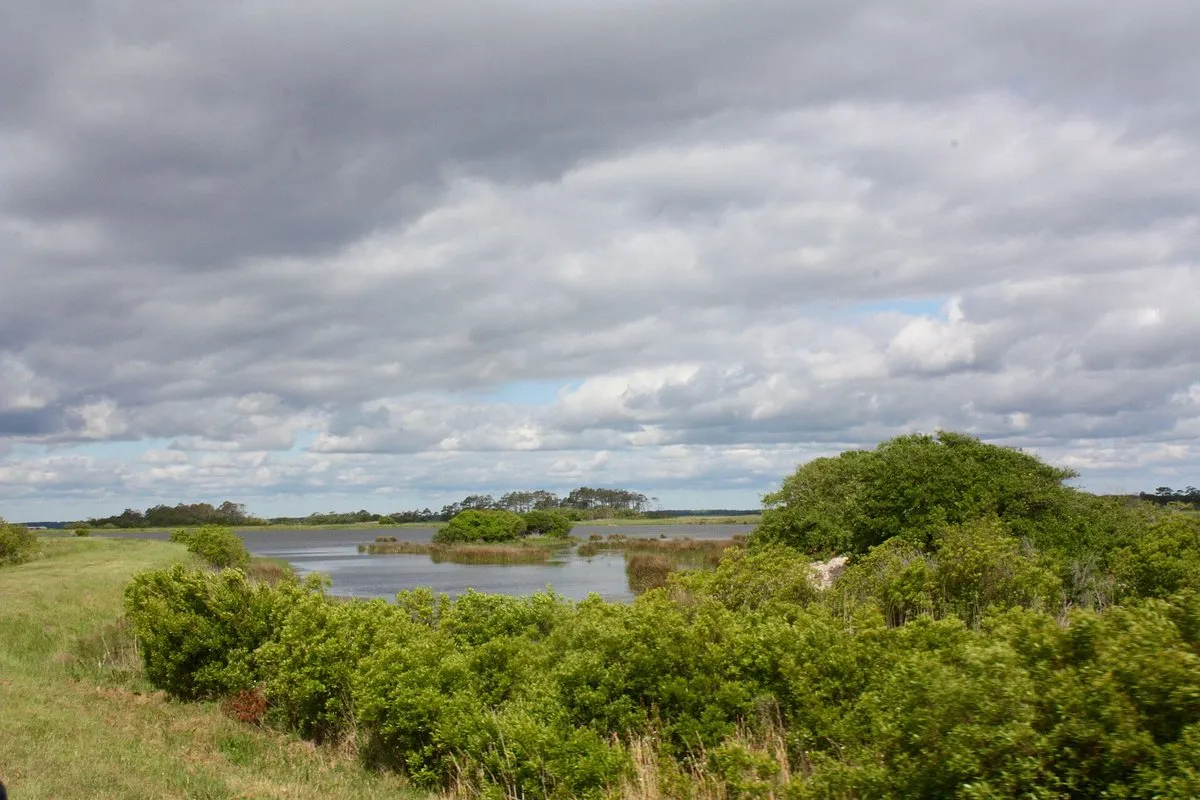
False Cape State Park occupies a narrow barrier spit along Virginia’s southeastern Atlantic coast, wedged between Back Bay National Wildlife Refuge to the north and the North Carolina border to the south. It is one of the most remote state parks in Virginia, with no public vehicular access. Visitors arrive on foot, by bicycle, by boat, by tram, or by beach transport, which keeps the park quiet, uncrowded, and as close to undisturbed as a coastal environment in this region can be. The result is roughly 4,300 acres of beach, dune, maritime forest, wooded swamp, marsh, and bay that see a fraction of the visitors that nearby Virginia Beach draws each year.
Getting There: The Access Challenge
Reaching False Cape requires planning. The most common route runs south through Back Bay National Wildlife Refuge from the refuge visitor center area, with overnight campers parking at Little Island City Park. Hikers and cyclists use this route, which runs about 5.5 to 5.6 miles to the Barbour Hill area and longer to the primitive campsites. A seasonal tram service provides an alternative for day visitors who want to avoid the full trek on foot, though overnight campers may not use the tram. Visitors with suitable boats can also reach the park by water, and canoeists and kayakers can paddle in through the refuge waterways. No matter the method, visitors should plan the return trip with the same care as the arrival. There is no quick exit if conditions change.
Beach and Barrier Spit Environment
The Atlantic-facing beach at False Cape is wide, largely undeveloped, and extends for miles without commercial infrastructure. There are no concession stands, no lifeguards, and no maintained facilities of the kind found at typical oceanfront parks. The beach draws people who want open coastline without crowds, and it delivers exactly that. Surf fishing is permitted along the shoreline, and the area around False Cape Point has long attracted anglers targeting red drum, flounder, and bluefish. The bay side of the spit borders Back Bay, where calm water and marsh edges offer a different experience from the open ocean.
Primitive Camping
False Cape offers 12 primitive tent-only campsites in four distinct camping areas, available by reservation only. The sites are dispersed and without hookups or modern bathhouses, which means visitors carry essentials in and pack everything out. Drinking water is limited to three locations in the Barbour Hill area, and campers staying at False Cape Landing must bring containers to transport water from there. Water in the False Cape Landing area is adequate for washing dishes but not for drinking. Open fires are not permitted, and camp stoves may be used for cooking. The remoteness of the camping experience here is genuine, and the preparation required reflects that. Overnight stays reward those who put in the effort with near-total quiet, dark skies largely free of light pollution, and a sense of isolation unusual for anywhere within reach of a major metropolitan area.
Pet Policy
Pets are permitted in False Cape State Park but must be on a leash no longer than six feet at all times. Owners are responsible for cleaning up after pets throughout the park. Back Bay National Wildlife Refuge does not allow pets at any time, except service dogs, so visitors bringing pets to False Cape must enter by boat or through the North Carolina entrances.
Wildlife to Be Aware Of
False Cape supports a dense and varied wildlife community, and several species require specific attention from visitors. Wildlife commonly seen in the park and neighboring refuge includes fox, white-tailed deer, river otters, nutria, birds, and reptiles. All food, scented items, and trash should be secured at primitive campsites, and visitors should never leave food unattended on the trail or beach. Wildlife here should never be fed or approached.
Mosquitoes and biting insects are a serious consideration from spring through fall, particularly in and near the marsh areas. The density of insects in wet months can make an otherwise pleasant visit genuinely uncomfortable without adequate preparation. Long sleeves, long pants, and a reliable insect repellent are practical necessities rather than optional additions.
Venomous snakes are present along trails and at marsh edges. Eastern cottonmouths are found in the Back Bay and False Cape area. Visitors should watch where they step, avoid reaching into vegetation without looking first, and give any snake encountered plenty of room to move away.
Jellyfish can occur in bay and ocean waters during summer. There are no designated swimming areas and no lifeguards at False Cape, and swimmers enter the water at their own risk. Checking conditions before swimming and being aware of jellyfish presence in the water is the responsibility of each visitor.
Practical Information
False Cape State Park is located at approximately 36.5938 latitude, 75.8865 longitude west, on the Virginia Beach coastline south of the city. The nearest urban center is Virginia Beach, where supplies, lodging, and the trailhead access point for Back Bay National Wildlife Refuge can be found. The park has no separate entry fee at a park gate, though Back Bay National Wildlife Refuge entrance fees apply seasonally, generally $5 per vehicle from April 1 through October 31, with exceptions for visitors entering on foot or bicycle and certain passholders. Parking fees at Little Island City Park may also apply. Primitive campsites require advance reservations by calling the Virginia State Parks Customer Service Center, as same-day and online reservations are not available for False Cape. Visitors should arrive with all necessary food, water, gear, and supplies. A gift shop at the Barbour Hill visitor center carries a limited selection when open, but it should not be counted on. The park is open year-round, but summer brings heat, humidity, and the heaviest insect pressure. Spring and fall offer the most comfortable conditions for hiking and camping.
Frequently Asked Questions
Are pets allowed at False Cape State Park?
Pets are permitted throughout False Cape State Park on a leash no longer than six feet, but because Back Bay National Wildlife Refuge prohibits pets, visitors with animals must enter by boat or through the southern entrances at the North Carolina border.
Is there an entry fee for False Cape State Park?
False Cape State Park does not charge an entry fee at the park gate, though a trail-access fee through Back Bay National Wildlife Refuge may apply seasonally depending on when you visit.
How do you get to False Cape State Park?
The park has no public vehicle access, so visitors arrive on foot or by bicycle along the roughly 5.5-mile route through Back Bay National Wildlife Refuge, by boat through the refuge waterways, by seasonal tram as a day visitor, or through the southern boundary with North Carolina.
Can you camp at False Cape State Park?
False Cape offers 12 primitive tent-only campsites across four camping areas, available by reservation only, with no hookups or modern bathhouses and limited drinking water access in the Barbour Hill area.
Do tides affect access or beach conditions at False Cape State Park?
Tides affect both boat access through Back Bay and ocean beach conditions at False Cape, so visitors arriving or departing by water should plan around tidal flows in the bay. The Atlantic beach is widest and most accessible at low tide, and NOAA tide predictions for the Virginia Beach area cover this stretch of coast.