
Bear Butte State Park
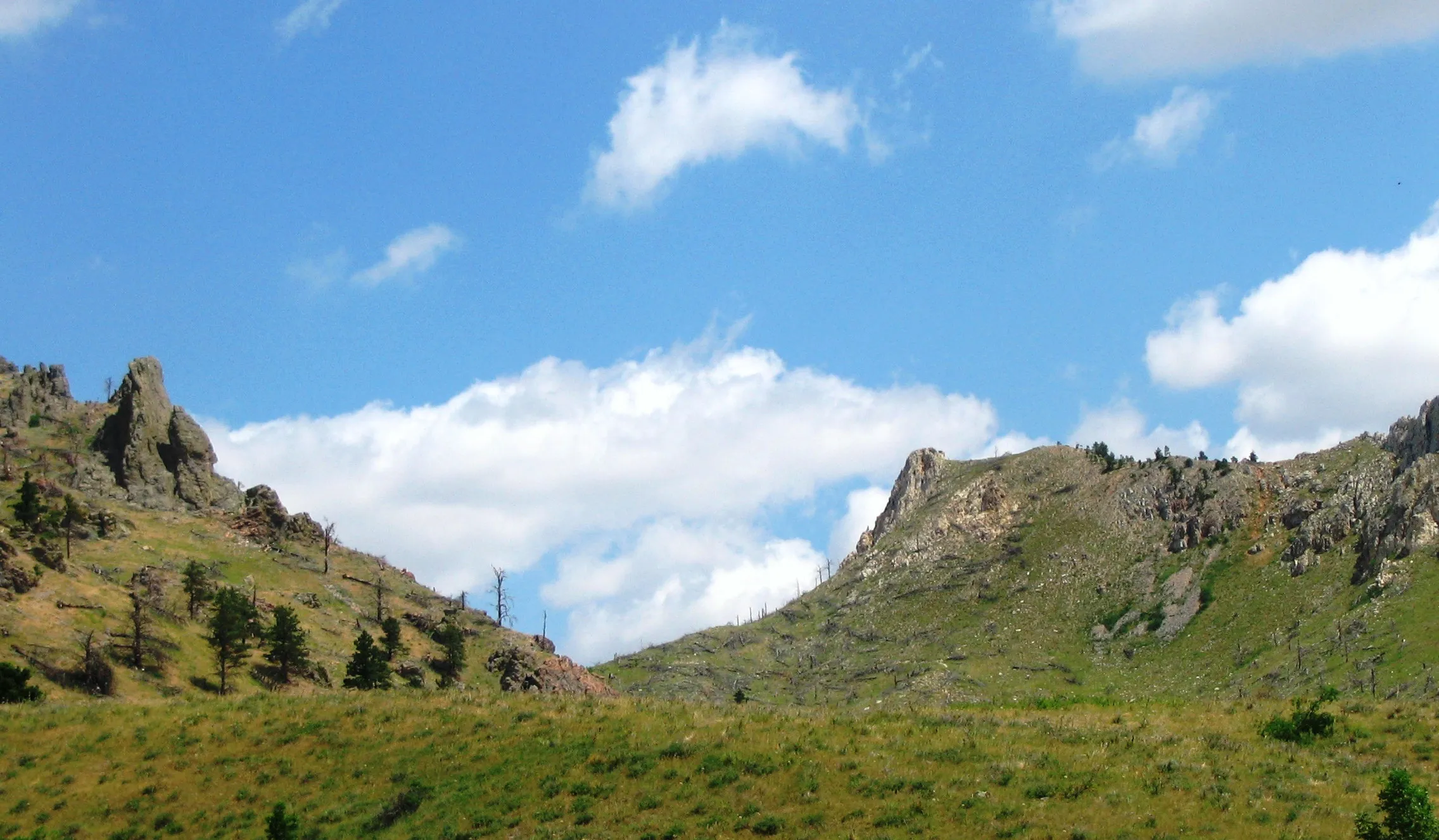
Bear Butte State Park preserves a striking laccolith mountain that rises 1,200 feet above the surrounding plains near Sturgis. The mountain is sacred to Plains Indian tribes including the Lakota and Cheyenne, who use it for religious ceremonies. Visitors are welcome on the summit trail but should be respectful of the spiritual significance.
The Summit Trail
The Summit Trail is the park’s signature hike, climbing from the parking area near the Education Center to the top of Bear Butte. South Dakota Game, Fish and Parks lists the trail at 1.85 miles, with a dirt-and-rock surface and a moderate rating. Although the distance is relatively short, the route gains more than 900 feet from the parking lot, so hikers should expect a steady climb with switchbacks, exposed stretches, and no facilities along the trail.
The reward is a wide view over the Black Hills, Sturgis, and the plains to the east. Bring water, wear sturdy shoes, and avoid leaving the trail, since shortcutting damages fragile vegetation and increases erosion. The Summit Trail is open from one-half hour before sunrise to one-half hour after sunset.
Cultural Significance
Bear Butte is far more than a scenic overlook. To the Lakota, it is known as Mato Paha, or “Bear Mountain.” To the Cheyenne, it is known as Noahvose. The mountain remains a sacred place where many Native people come for prayer, ceremony, fasting, and vision-seeking.
Visitors may see prayer cloths, tobacco ties, or small bundles placed in trees or along the trail. These are religious offerings, not decorations or litter. They should never be touched, moved, photographed, or disturbed. The best way to visit Bear Butte is with quiet attention: stay on designated trails, keep voices low near worshippers, and remember that others may be using the mountain for deeply personal spiritual practices.
Visitor Etiquette
Because Bear Butte is an active sacred site, trail etiquette here matters more than at an ordinary scenic hike. Give privacy and space to anyone praying or participating in ceremony. If people are gathered on or near the trail, slow down, wait quietly, and allow them room before passing. Do not interrupt ceremonies, ask invasive questions, or photograph people engaged in worship.
Leave all prayer cloths, tobacco ties, bundles, stones, plants, and natural features exactly where they are. Do not leave ashes or human remains; the park specifically prohibits this and notes that Bear Butte is not a burial site. Alcohol is prohibited east of Highway 79, and uncased firearms or bows are prohibited year-round on the east side of the park to reduce disturbance to those who gather to worship.
A buffalo herd roams near the base of the butte. View animals from a distance and never approach them.
Pet Policy
Pets are not allowed on the Summit Trail at Bear Butte State Park. The state notes that the trail is too narrow to safely accommodate both hikers and pets. Pets may be taken across Highway 79 to the horse camp area, where they must remain leashed.
Service animals are treated separately from pets, but visitors with animals should check current park guidance before arriving and be especially mindful of the site’s sacred nature.
Practical Information
Bear Butte State Park is located about 6 miles northeast of Sturgis off South Dakota Highway 79. The nearest town for restaurants, lodging, fuel, and supplies is Sturgis.
A South Dakota park entrance license is required for motorized vehicles entering the park. Current posted fees are $10 per vehicle for South Dakota residents and $15 per vehicle for nonresidents for a daily license. Annual licenses are $40 for residents and $60 for nonresidents.
The park is open year-round, though flush toilets and water systems may be closed from October 1 through April 30. Vault toilets usually remain open. The park includes an Education Center near the Summit Trail parking area, with exhibits about the mountain’s geology, history, and cultural importance. Visit before hiking if it is open, since it adds important context for understanding the site.
Late spring through early fall generally offers the most comfortable hiking conditions, but summer afternoons can be hot and exposed. Start early, carry water, and be prepared for wind near the summit. During the Sturgis Motorcycle Rally, expect heavier traffic and busier conditions in the area.
Wildlife to Be Aware Of
A bison herd roams near the base of Bear Butte. Bison are extremely dangerous despite their calm appearance. They can sprint at 35 miles per hour and have injured and killed people who approached too closely. Stay well back, never get out of your vehicle when bison are nearby, and do not attempt to feed, photograph at close range, or walk toward them. Prairie rattlesnakes are present on Bear Butte’s rocky slopes and surrounding grassland. They are most active from late spring through early fall. Watch your footing carefully on the Summit Trail, particularly near rocks, ledges, and brushy margins. Never step or reach into areas you cannot see clearly, and stay on the trail rather than cutting through grass and rock. Ticks are active in the grassland and brushy terrain around the base of the mountain from early spring through late fall. Apply repellent before hiking and check carefully after your visit. The summit trail is fully exposed with no shade, and summer temperatures combined with the 900-foot elevation gain can make the hike physically demanding. Carry more water than you expect to need, start as early in the day as possible, and be prepared for wind and rapidly changing weather near the top.
Frequently Asked Questions
Are dogs allowed on the Summit Trail at Bear Butte State Park?
Dogs and other pets are not permitted on the Summit Trail because the trail is too narrow to safely accommodate both hikers and animals. Pets are allowed in the horse camp area on the west side of Highway 79 but must remain on a leash at all times.
What is the entrance fee for Bear Butte State Park?
Daily vehicle entry costs $10 for South Dakota residents and $15 for nonresidents, while annual passes are available for $40 for residents and $60 for nonresidents.
Is there a bison herd at Bear Butte State Park?
A free-roaming bison herd lives near the base of Bear Butte, and visitors should never approach the animals or exit their vehicle when bison are nearby. Unlike Custer State Park, Bear Butte is not a drive-through park, so visitors should contact the park directly for current herd location information.
Can you photograph the prayer offerings along the Summit Trail?
The prayer cloths, tobacco ties, and bundles placed along the trail are sacred religious offerings and should never be touched, moved, photographed, or disturbed in any way. Visitors are asked to treat Bear Butte with quiet respect, as it remains an active place of worship for Lakota, Cheyenne, and other Plains Indian peoples.