
Harriman State Park
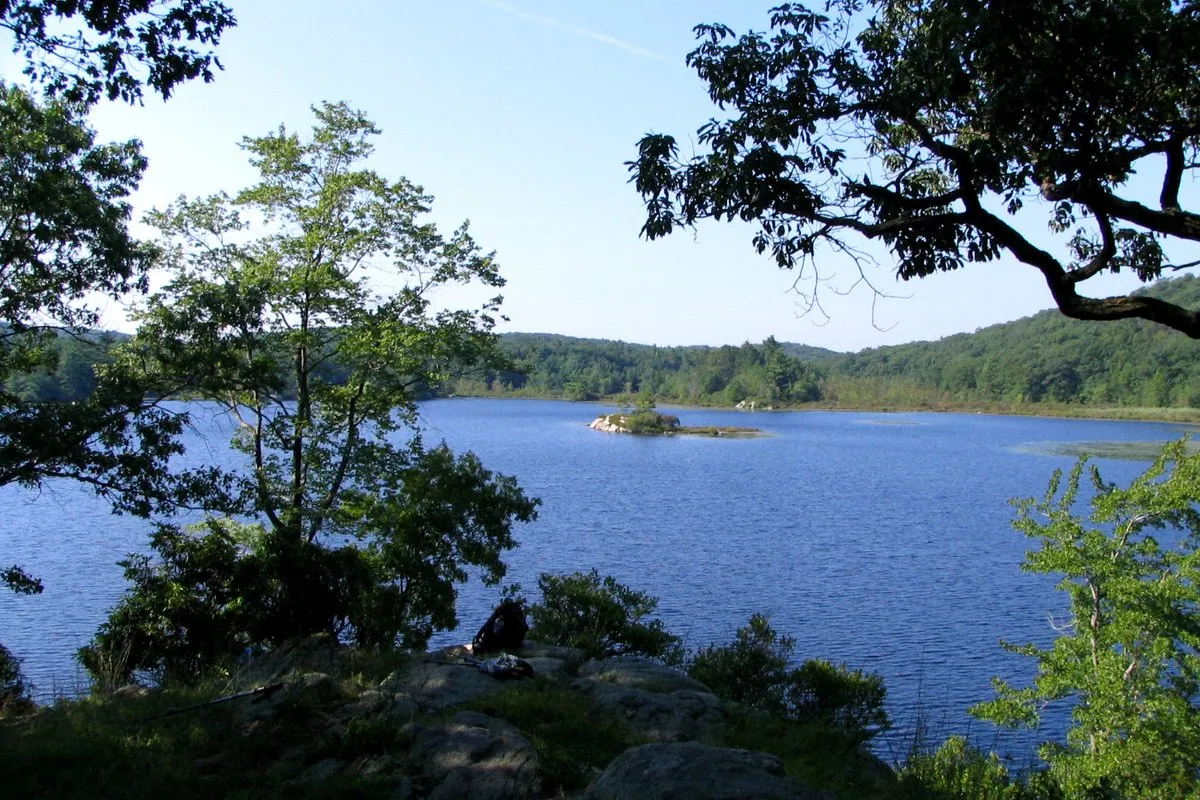
Harriman State Park covers nearly 47,000 acres in the lower Hudson Valley, roughly 30 miles north of New York City. It is one of the largest state parks in the northeastern United States, and its proximity to the metro area makes it a genuine wilderness retreat for millions of people who can reach it without a long drive. What distinguishes Harriman from other regional parks is the combination of scale and variety: rugged ridgelines, glacially carved lakes, dense hardwood forest, and an extensive trail network all packed into a landscape that feels far more remote than the surrounding suburbs would suggest.
Trails Across the Highlands
Trails are the core reason people come to Harriman, and the park delivers more than 200 miles of them. Routes range from short lakeside loops to full-day ridge traverses with genuine elevation gain. The Appalachian Trail passes through the park’s northern section, offering a well-marked through-route with sweeping views from Black Mountain and other high points. The Ramapo-Dunderberg Trail is one of the longer internal routes, running roughly 21 miles and crossing several summits. Shorter favorites include the Pine Meadow Trail to Pine Meadow Lake and the loop around Lake Skannatati. Trail markings use the New York-New Jersey Trail Conference blaze system, and the NYNJTC maps are strongly recommended over general navigation apps, which often miss faint unmarked paths or confuse overlapping routes.
Lakes, Swimming, and Water Access
Both Lake Welch and Lake Tiorati have guarded public swimming beaches during summer months, and swimming is allowed only at designated beaches when lifeguards are on duty. Lake Welch is the largest and most developed of the two, with changing facilities and parking designed for high-volume weekend use. Sebago Cabin Area also includes swimming access for registered cabin guests during peak season, subject to staffing and weather. Kayaking and canoeing are permitted on designated lakes with a PIPC boat permit, and car-top boat launches exist at select locations. Gas-powered engines and jet skis are not allowed, though electric trolling motors are permitted on properly registered boats when the operator meets state requirements. Fishing is available throughout the park’s water bodies, with bass, trout, and pickerel among the common species. A valid New York State fishing license is required.
Camping at Harriman
The park has two main public reservable camping areas: Beaver Pond Campground and the Sebago Cabin Area. Beaver Pond offers tent and trailer sites and serves as the primary option for general campground reservations. Sebago provides cabin and cottage rentals with lake access. Both areas require advance reservations through the New York State Parks reservation system, especially for summer weekends, when availability fills quickly. Dispersed backcountry camping is not permitted within Harriman State Park, but official trail shelters are available on a first-come, first-served basis. If a shelter is occupied, tent camping is allowed within 300 feet of it, with no permits or fees required. Campground seasons typically run from late spring through early fall, though dates vary by year.
History and the Civilian Conservation Corps
Harriman has a layered human history that shows up throughout the landscape. Some of the park’s 1930s infrastructure and stonework is associated with the Civilian Conservation Corps and other early park-era construction. Stone shelters, retaining walls, older roads, and historic camp remains all reflect different phases of early park development. The Palisades Interstate Park Commission, which oversees Harriman, was itself shaped by early 20th-century conservation efforts backed by the Harriman family and others who pushed to keep the land from being converted to a prison site. Visitors interested in that history will find useful context at the visitor information area near Reeves Meadow and in official park materials.
Pet Policy
Dogs are welcome at Harriman State Park and must be kept on a leash no longer than six feet at all times. They are allowed on trails and in many outdoor day-use areas, but not in buildings, beach or bathing areas, Beaver Pond Campground, Lake Welch, or Sebago Cabins. Because dogs are not permitted in the park’s public campground and cabin areas, they cannot be brought along for overnight stays at those facilities. Dogs are permitted at trail shelters on a six-foot leash. Owners are responsible for cleaning up after their animals.
Wildlife to Be Aware Of
Black bears are present throughout the park and are regularly spotted near trails, campsites, and parking areas. Never leave food unattended. Store food, coolers, toiletries, and scented items according to park guidance: sealed, covered, and out of sight in a vehicle for tent campers, and sealed inside the cabin or refrigerator for cabin campers. Do not approach or feed bears under any circumstances. If you encounter one on the trail, give it space and back away calmly.
Timber rattlesnakes live in the rocky ridge habitat that makes up much of Harriman’s upland terrain. They are venomous and should be treated with serious respect. Watch where you place your hands and feet, particularly around sunny rock outcrops and along boulder fields. If you see one, keep your distance and move around it.
White-tailed deer are common throughout the park, especially near trailheads and woodland edges. While they pose no direct threat, they are the primary host for deer ticks, which are present across the entire park year-round. Lyme disease is a genuine risk at Harriman. Wear long sleeves and pants, tuck pants into socks on brushy trails, use insect repellent with DEET, and do a full-body tick check after every outing. Remove any attached ticks promptly with fine-tipped tweezers.
Practical Information
Harriman State Park is located in Rockland and Orange counties in New York. The main southern access point is off Seven Lakes Drive, reached from the Palisades Interstate Parkway or Route 17. The nearest towns include Tuxedo, Sloatsburg, and Stony Point depending on which entrance you use. Parking fees apply seasonally at certain developed areas. Lake Welch and Lake Tiorati charge $10 per vehicle during the Memorial Day to Labor Day season, while Lake Kanawauke and Silvermine are $6 per vehicle on weekends and holidays during that same period. Some areas are free for pedestrians and cyclists. Fees and seasonal schedules can change, so check the official New York State Parks website before your visit. Campground and cabin reservations are made through ReserveAmerica via the NYS Parks reservation portal and are strongly advised for any weekend stay between Memorial Day and Labor Day.
Frequently Asked Questions
Are dogs allowed on the trails and at campsites in Harriman State Park?
Dogs are welcome on the trails and in many areas of the park, though owners should be aware that deer ticks are present throughout Harriman year-round and pose a Lyme disease risk to both pets and people.
How much does it cost to enter Harriman State Park?
Parking fees apply seasonally and typically run $8 per vehicle on weekends and holidays, while pedestrians and cyclists can access many areas at no charge; current rates should be confirmed on the official NYS Parks page before your visit.
Where can I get a trail map for Harriman State Park?
The New York-New Jersey Trail Conference maps are strongly recommended for navigating the park's 200-plus miles of trails, as general navigation apps often miss faint paths or confuse overlapping routes.
Is backcountry or dispersed camping allowed anywhere in Harriman State Park?
Backcountry camping is not permitted within Harriman State Park, and all overnight stays must be made at designated facilities, either Beaver Pond Campground or the Sebago Cabin Area, both of which require advance reservations through the New York State Parks reservation system.