
Crystal Cove State Park
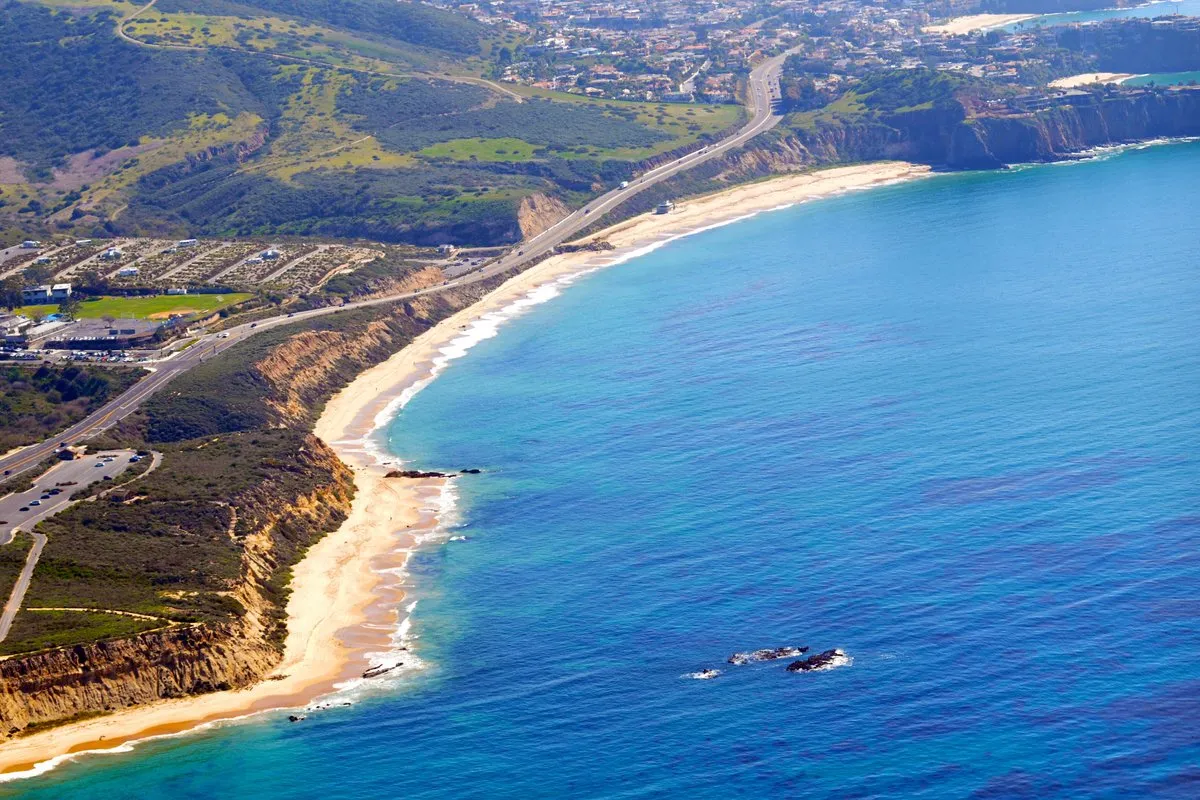
Crystal Cove State Park stretches along 3.2 miles of coastline in Orange County, California, between Corona del Mar and Laguna Beach. The park encompasses 2,400 acres of backcountry terrain and a 1,100-acre offshore underwater park, making it one of the most complete coastal preserves in Southern California. What sets it apart is the combination of wild, undeveloped bluffs, accessible tide pools, a historic beachside district, and camping options that put you within earshot of the waves.
Tide Pools and Marine Life
The rocky intertidal zone at Crystal Cove is among the most productive in California for observing marine life. Low tide reveals sea stars, hermit crabs, anemones, sea urchins, and small fish tucked into shallow pools. The best viewing windows are during negative low tides, which tend to fall in early morning during spring and in the afternoon in late fall and winter. Visitors should move carefully on wet rocks and avoid stepping on any organisms. The offshore underwater park extends from the mean high tide line to the 120-foot depth contour, covering roughly 1,100 acres of kelp forest where snorkelers and scuba divers encounter garibaldi, leopard sharks, and octopus.
Trails and Backcountry
The inland portion of the park covers the El Moro Canyon area, with more than 17 miles of trails open to hikers, mountain bikers, and equestrians. Trails climb through coastal sage scrub and chaparral, offering broad views of the Pacific on clear days. The Moro Ridge Trail and El Moro Canyon Trail are popular routes that can be combined into longer loops. Elevation changes are moderate to significant, so hikers should carry water, especially from late spring through early fall when temperatures rise quickly away from the coast.
Historic District and Cottages
The Crystal Cove Historic District preserves a collection of rustic beachfront cottages built primarily between 1920 and 1940. These structures represent one of the last remaining examples of early California beach culture along the coast. Many of the cottages have been restored and are available to rent through the park reservation system, offering a rare chance to stay directly on the beach in a historic setting. Even visitors who are not renting can walk through the district to appreciate the low-slung wooden buildings and the way the community was originally arranged around shared beach access.
Camping
Crystal Cove offers several camping options. The Moro Campground provides RV and tent sites near the beach, with restrooms and showers available. Backcountry camping is available at three primitive campgrounds in Moro Canyon, accessible only by trail and popular with hikers and cyclists who want a quieter overnight experience. The beach cottages in the historic district also function as overnight accommodations. All camping and cottage reservations are handled through ReserveCalifornia and book up quickly, especially for weekends between April and October.
Pet Policy
Dogs are allowed in the park but with significant restrictions. Pets are permitted in the Moro Campground and on paved areas, but they are not allowed on any trails, in the backcountry, or on the beach. All pets must be kept on a leash no longer than six feet at all times. Service animals are permitted in all areas open to the public.
Practical Information
Crystal Cove State Park is located along Pacific Coast Highway (Highway 1) between Newport Beach and Laguna Beach. The main entrance and Moro Campground are accessed from the parking area off PCH near the El Moro Canyon trailhead. The historic beach district has a separate parking lot also along PCH. There is no entry fee to access the park. Parking fees apply at all lots: $15 per vehicle for a full day, rising to $20 on summer weekends and holidays. The Los Trancos lot charges $3 per hour with a $15 daily maximum. The park is open year-round, though summer weekends bring heavy crowds and limited parking by mid-morning. Reservations for camping and cottages are strongly recommended and can be made up to six months in advance at reservecalifornia.com.
Wildlife to Be Aware Of
Round stingrays are the most consistent hazard for swimmers at Crystal Cove. They rest on the sandy ocean floor in shallow water and will sting if stepped on. The defense is simple: shuffle your feet slowly along the bottom as you enter and move through the water rather than lifting your feet. This gives any ray time to move away before contact. Stings are painful and require medical attention, but they are not life-threatening for most healthy people. Rattlesnakes are present on the inland trails, particularly in rocky terrain and along chaparral margins in the El Moro Canyon area. Stay on marked trails, watch your footing in rocky areas, and never reach under rocks or brush. Coyotes and bobcats are native to the park and are occasionally seen on trails, especially near the backcountry campsites. Do not approach or feed them. Keep pets on a leash at all times in the areas where pets are permitted, as coyotes will engage small dogs. Bobcats are generally elusive but may be seen at dawn or dusk.
Frequently Asked Questions
Is there an entry fee for Crystal Cove State Park?
There is no entry fee to visit Crystal Cove State Park, though parking costs $15 per vehicle and rises to $20 on summer weekends and holidays.
Are dogs allowed at Crystal Cove State Park?
Pets must be kept on a leash at all times throughout the park, as coyotes and bobcats are present and should never be fed or approached.
Where do I park for the Historic District and Beachcomber Cafe?
All parking for the Historic District, the Park Store, the Beachcomber Cafe, and the Cottages is located across Pacific Coast Highway in the Los Trancos lot, and a shuttle is available to transport visitors to the Beachcomber Cafe area.
Are there any safety hazards to know about before swimming at Crystal Cove?
Round stingrays inhabit the sandy ocean floor at Crystal Cove, so swimmers should shuffle their feet along the bottom rather than lifting them when entering the water.
When is the best time to visit Crystal Cove's tide pools?
The intertidal zone at Crystal Cove is best explored during a minus or zero-foot low tide, which fully exposes the rocky reef and its sea stars, hermit crabs, anemones, and sea urchins. NOAA tide predictions for the Newport Beach area show the best low-tide windows, which tend to occur in the early morning during summer months.