
Burlingame State Park
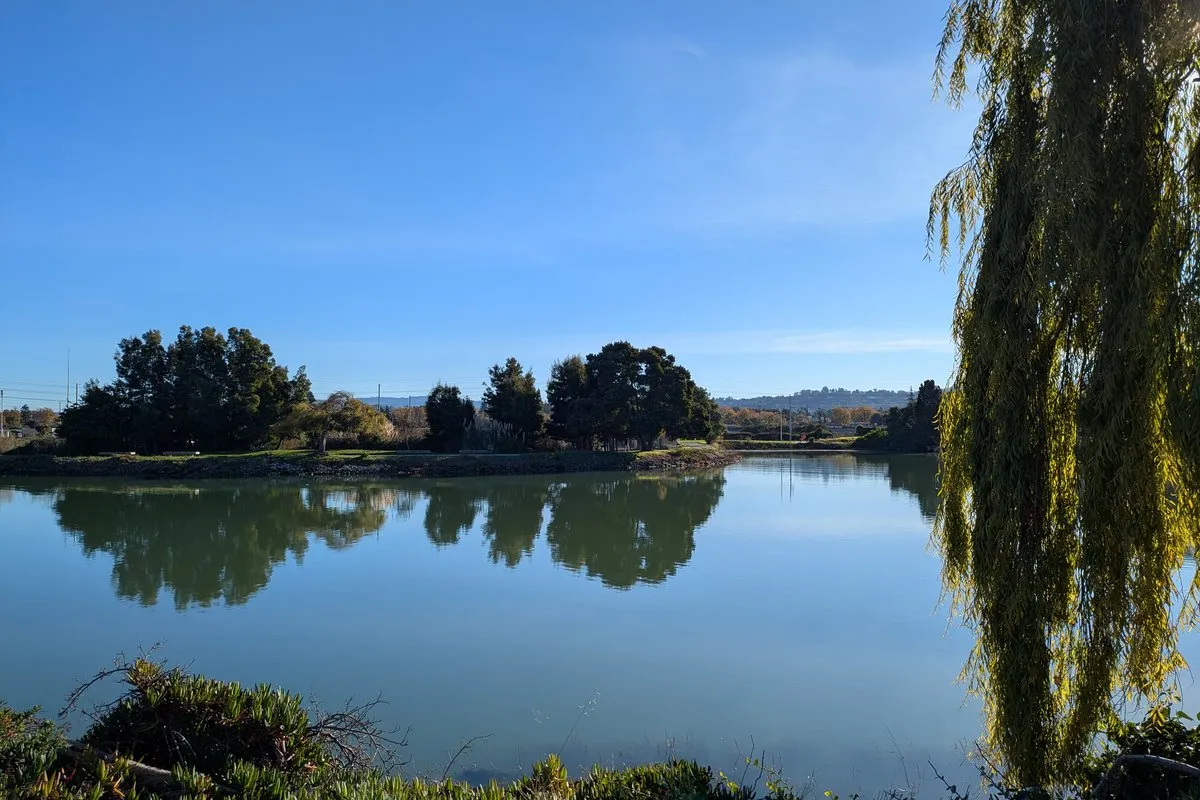
Burlingame State Campground covers about 3,100 acres of coastal Rhode Island woodland in the town of Charlestown, making it one of the biggest campgrounds in the eastern United States. The park centers on Watchaug Pond, a substantial freshwater pond that draws swimmers, anglers, and paddlers throughout the warmer months. What sets Burlingame apart from smaller Rhode Island parks is its combination of a full-service campground, a dedicated swimming beach, and an extensive trail network, all within a short drive of the southern coast.
Camping at Burlingame
The campground is the park’s defining feature and the main reason most visitors make the trip. It offers several hundred campsites spread through the woods, ranging from tent-only and basic sites to standard sites and cabins, though none of the campsites have electric, water, or sewer hookups. Facilities include restrooms, dump stations, and shower buildings, making this a comfortable base for multi-day stays rather than a rustic backcountry experience. The campground fills quickly in summer, particularly on weekends, and reservations are strongly recommended from late June through Labor Day. The surrounding woodland gives most sites a reasonably shaded and private feel despite the campground’s overall size.
Swimming and Paddling on Watchaug Pond
The Burlingame picnic-area swim area on Watchaug Pond is open seasonally, with lifeguards on duty only as staffing allows, and the campground beach is closed for the 2026 season due to bathhouse construction. The pond bottom is sandy near the shoreline, and the water is typically calm, making this a good option for families with young children. Beyond swimming, the pond is open to non-motorized watercraft, and canoes or kayaks can be launched from the park. The pond covers roughly 566 acres, giving paddlers enough room to explore coves and quieter stretches of shoreline away from the beach area. Fishing is also permitted on the pond, with largemouth bass, pickerel, and perch among the species anglers typically pursue.
Forested Trails and the Surrounding Borderlands
Miles of hiking and mountain biking trails wind through the park’s mixed woodland of oak, pine, and mountain laurel. Many of these trails connect to the nearly 8-mile John Vincent Gormley Trail, Kimball Wildlife Refuge, and the Burlingame Management Area, significantly extending the total distance a hiker or cyclist can cover. The Pawcatuck Borderlands, the broader conservation landscape surrounding this region, provides additional ecological context for the protected lands adjacent to the park. The terrain is mostly flat to gently rolling, without dramatic elevation changes, which makes the trails accessible to a wide range of fitness levels. The network is not heavily signed in all areas, so carrying a downloaded trail map or using a GPS-capable device is a practical precaution. The woods are particularly worth visiting in late spring when the mountain laurel is in bloom, and in fall when the foliage changes across the canopy.
Pet Policy
Leashed dogs and cats are allowed at Burlingame State Campground for registered primary occupants, with a limit of two pets per campsite or cabin, current rabies vaccination required, and a leash no longer than 6 feet. Campground visitors and guests may not bring pets into the campground. Pets are not allowed on state bathing beaches or in the Burlingame Picnic Area from April 1 through September 30, with the exception of service animals, though service animals are not permitted in public swimming areas. Owners are expected to clean up after their animals, and waste bags are not always available at trailheads, so bringing your own is a good habit. During busy summer weekends, keeping dogs on a short leash around the campground is especially important given the density of visitors and the presence of children.
Wildlife to Be Aware Of
Deer ticks are present throughout the park in wooded and grassy areas and are active in all but the coldest months. Ticks in Rhode Island carry Lyme disease as well as other tick-borne illnesses, so wearing long pants, tucking socks over pant cuffs, and applying insect repellent with DEET are all worthwhile precautions before heading out on the trails. After any outing, do a thorough tick check on yourself, children, and pets.
During fall and winter hunting seasons, hunting is permitted on portions of the park’s land. Hikers venturing off marked trails or into more remote sections of the woodland should wear blaze orange to remain visible to hunters. Checking the Rhode Island Department of Environmental Management’s current hunting season calendar before a visit is a reasonable step during that time of year.
Black bears have been reported in Rhode Island, including in southern Rhode Island and the Charlestown area. Bears in this region are generally not aggressive, but campers should store food properly in sealed containers or bear-resistant coolers, avoid leaving food or scented items in tents, and dispose of trash in the provided receptacles rather than leaving it at the campsite overnight.
Practical Information
The campground is accessed at 1 Burlingame State Park Road in Charlestown, Rhode Island, while the Burlingame State Park picnic area is reached from Sanctuary Road off Prosser Trail. The nearest town with fuel, groceries, and services is Charlestown, and the coastal village of Wakefield is roughly 15 minutes away. For the picnic area, take the Burlingame State Park/Picnic Area exit from Route 1 to Prosser Trail, then Sanctuary Road. For the campground, follow signs from Route 1 to the Burlingame State Campground entrance on Burlingame State Park Road. A GPS coordinate of 41.3762, -71.6745 will bring you to the general park area.
There is no general day-use fee to access Burlingame State Park’s beach and picnic area, though rentals such as the picnic pavilion and camping reservations have separate fees. Current pricing for camping is available at riparks.ri.gov, where campsite reservations can also be made online. For the 2026 season, Burlingame State Campground opens June 12 and reservations are available through October 11, with future seasons subject to change, particularly while construction continues. Day use hours and lifeguard coverage at the beach are limited to the summer season, though the trails and parking areas are accessible for a longer portion of the year.
Frequently Asked Questions
Are dogs allowed at Burlingame State Park?
Leashed pets are welcome on the trails and in the campground, but are not permitted on the swimming beach. Bring your own waste bags, as they are not always available at trailheads.
How much does it cost to enter or camp at Burlingame State Park?
A day use fee applies during the seasonal operating period, with potentially different rates for Rhode Island residents and non-residents, and camping fees are charged separately. Current pricing for both day use and camping is available at riparks.ri.gov, where reservations can also be made online.
What are the best campsites at Burlingame State Park?
The campground offers several hundred sites ranging from basic tent sites to sites with electrical hookups, and the surrounding woodland gives most sites a reasonably shaded and private feel. Reservations are strongly recommended from late June through Labor Day, as the campground fills quickly on summer weekends.
Are there ticks at Burlingame State Park?
Deer ticks are present throughout the park in wooded and grassy areas and are active in all but the coldest months, with Lyme disease a known risk in Rhode Island. Wearing long pants, tucking socks over pant cuffs, applying DEET-based repellent, and doing a thorough tick check after any outing are all recommended precautions.