
Pennsylvania
Pennsylvania occupies a pivotal position in the mid-Atlantic and Midwest, stretching roughly 300 miles from the Delaware River on its eastern border to the Ohio state line in the west. The state is bordered by New York to the north, New Jersey and Delaware to the east, Maryland and West Virginia to the south, and Ohio to the west. This crossroads geography gives Pennsylvania an extraordinary diversity of landscapes, from the rolling ridges of the Appalachian Mountains that cut diagonally across its center to the broad Allegheny Plateau in the northwest and the fertile Great Valley farmlands in the southeast.
Pennsylvania has no ocean coastline, but it boasts significant lakefront access along the southern shore of Lake Erie in the northwest corner of the state. Presque Isle State Park, a sandy peninsula jutting into Lake Erie near Erie, is one of the most visited state parks in the country and offers swimming, paddling, birding, and stunning sunsets over the water. Inland, hundreds of lakes, reservoirs, and rivers, including the Susquehanna, Delaware, and Youghiogheny, provide ample opportunities for fishing, boating, and whitewater rafting.
The state’s six major travel regions each carry a distinct personality. The Pocono Mountains in the northeast are a four-season resort destination known for skiing, hiking, and waterfalls. The Pennsylvania Wilds in the northcentral region harbor some of the most remote forests in the eastern United States, including the dramatic Pine Creek Gorge, often called the Pennsylvania Grand Canyon. The Laurel Highlands in the southwest blend natural beauty with cultural landmarks, anchored by Ohiopyle State Park and Frank Lloyd Wright’s iconic Fallingwater. Lancaster County’s Pennsylvania Dutch Country showcases Amish farms and covered bridges, while the greater Philadelphia area preserves the birthplace of American democracy. Pittsburgh anchors the western end of the state with a revitalized waterfront and world-class museums.
Pennsylvania is rich with nationally significant historic sites. Gettysburg National Military Park, Valley Forge National Historical Park, and Independence Hall in Philadelphia draw millions of visitors each year and are woven into the country’s founding narrative. The state’s 19 NPS units and 125 state parks ensure that outdoor recreation and heritage tourism are available in virtually every corner of the Commonwealth, connected in part by 21 designated scenic byways.
The best times to visit Pennsylvania for outdoor recreation are late spring and fall, when mild temperatures and lower humidity make hiking the Appalachian Trail, paddling the Delaware, and exploring the state parks especially rewarding. Fall foliage typically peaks from early October through early November, drawing leaf-peepers to the Poconos, the Pennsylvania Wilds, and the Laurel Highlands. Summer is ideal for camping, whitewater rafting at Ohiopyle, and festivals across the state, while winter brings skiing to the Pocono resorts and a quieter, often crowd-free experience at the state’s many historic sites.
Featured State Parks in Pennsylvania
-
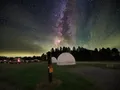
Cherry Springs State Park
World-class dark sky preserve in PA offering stunning stargazing, rustic camping, and peaceful forest trails.
-
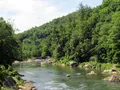
Ohiopyle State Park
A whitewater and wilderness gem in the Laurel Highlands, famous for river rapids, cascading falls, and forested trails.
-

Presque Isle State Park
A unique Lake Erie peninsula offering beaches, birding, cycling, and spectacular sunsets in northwestern Pennsylvania.
-
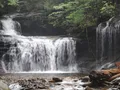
Ricketts Glen State Park
A Pennsylvania gem boasting 22 named waterfalls, old-growth hemlocks, and miles of forested hiking trails.
-
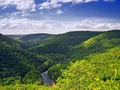
World's End State Park
A dramatic creek gorge in the Endless Mountains with hiking, swimming, camping, and canyon overlooks.