
Lake Thunderbird State Park
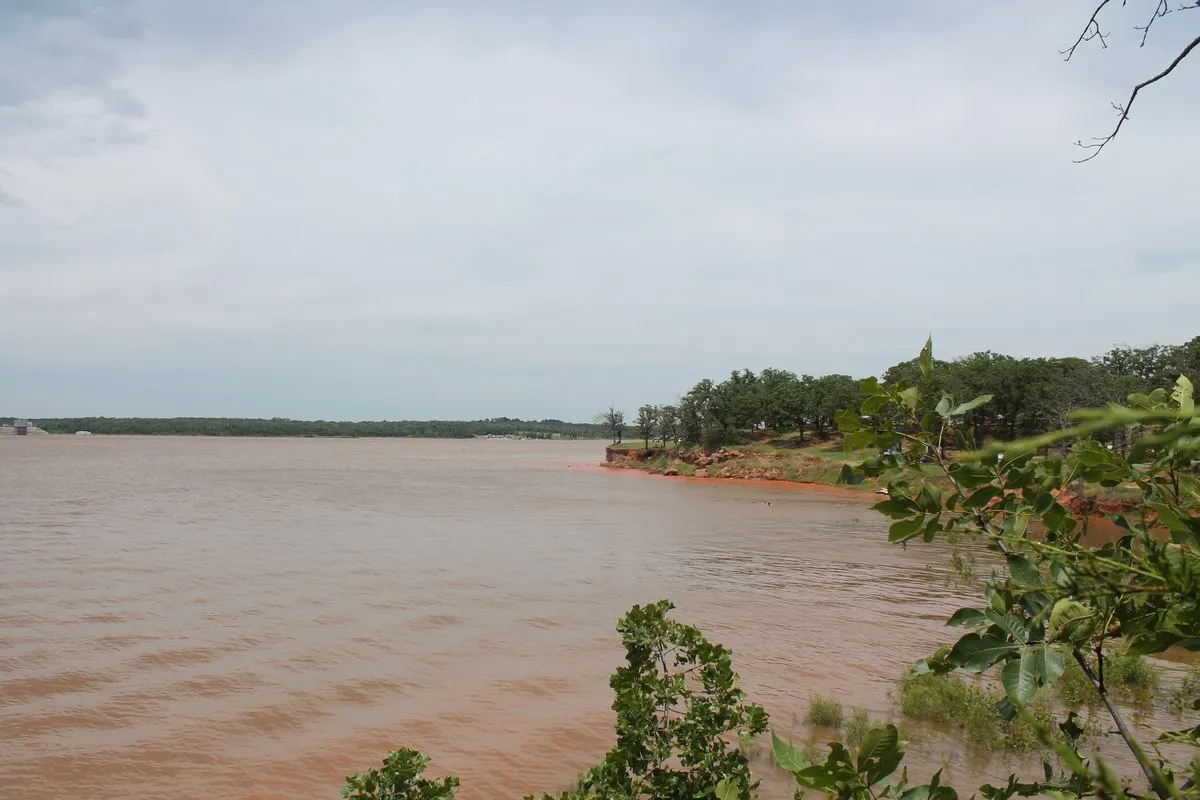
Lake Thunderbird State Park stretches along the shores of Lake Thunderbird reservoir in central Oklahoma, about 12 to 13 miles east of Norman, or 15 miles east of I-35 on Hwy 9. Built in the 1960s to serve as a water supply for the cities of Norman, Midwest City, and Del City, the lake covers about 5,377 surface acres and gives the park its defining character. This is a working reservoir park, and nearly everything worth doing here involves the water, the miles of shoreline, or the trail system that winds through the Cross Timbers landscape surrounding it.
Beaches and Swimming Areas
The park’s beaches draw the largest crowds, particularly from late spring through Labor Day. Two designated swim beaches offer sandy entry points, calm water, and nearby restrooms and shower facilities. One of the designated swim beaches on the south shore is the most popular, with a wide sandy area and easy parking; check the current park map for beach names and locations. The water is warm by early summer and generally calm enough for families with young children. No lifeguards are on duty, so swimmers should use caution and stay within the designated areas.
Boating and Watersports on Lake Thunderbird
The reservoir is the main event. Multiple boat ramps around the lake provide access for motorized boats, sailboats, kayaks, and canoes. The lake is large enough to support waterskiing and wakeboarding without feeling overcrowded on most weekday mornings. Several fishing piers and courtesy docks are scattered around the shoreline, and the lake holds largemouth bass, catfish, crappie, and white bass. An Oklahoma fishing license is required. Kayak and canoe rentals have been available through the park concession in past seasons; check ahead for current availability.
Mountain Biking and Hiking Trails
Lake Thunderbird has developed a reputation among Oklahoma mountain bikers for its Clear Bay Mountain Bicycling/Hiking Trail, totaling about 18.5 miles on the official map, winding through oak and blackjack forest. The terrain is rooted and rocky in sections, with enough elevation change to make it genuinely challenging. Trails are open to hikers as well, though during peak biking periods hikers should stay alert to oncoming riders on shared singletrack. Trail conditions vary significantly after heavy rain, and some sections become muddy and rutted. Local mountain-bike volunteers and organizations regularly contribute to the park, and the trail network continues to be expanded with volunteer support.
Camping
With more than 200 campsites spread across several campground areas, Lake Thunderbird is one of the more significant camping destinations in central Oklahoma. Sites range from primitive tent spots near the water to full-hookup RV sites with electric and water connections. The campground area close to the beach is popular for families. Showers and laundry facilities are available. All RV and tent campsites must be reserved online through the Oklahoma State Parks reservation system; reserve early for busy weekends. Several sites sit close to the lake, though shade varies considerably depending on location.
Pet Policy
Leashed pets are welcome throughout the park, including on trails and in campgrounds. The standard leash length is no longer than 10 feet. Pets are not allowed in the designated swimming beaches or in park buildings. Owners are responsible for cleaning up after their animals. Given the presence of wildlife including coyotes near campsites, keeping pets leashed and secured at night is especially important.
Wildlife to Be Aware Of
Two venomous snake species are present in the park and deserve attention. Cottonmouth snakes, also called water moccasins, are found near the lake margins, marshy inlets, and any slow or standing water. They are thick-bodied and dark and are more aggressive than most Oklahoma snakes when cornered. Avoid reaching into vegetation or rocks at the waterline and watch your footing along grassy shorelines. Copperheads are more commonly encountered along wooded trails and rocky sections of the trail system. They blend well into leaf litter and dry grass, so look carefully before stepping over logs or sitting on rocks. Neither species should be approached or handled.
Coyotes are active throughout the park, particularly at dawn and dusk, and have grown comfortable near campgrounds where food scraps are accessible. Store food in sealed containers or in your vehicle overnight, and do not leave pet food outside. Coyotes rarely pose a direct threat to adults but can target small pets.
Ticks are a persistent issue in the grassy and oak woodland areas, especially from spring through early fall. Check yourself, your children, and your pets thoroughly after any time on the trails or in brushy areas. Wearing long socks and light-colored clothing makes it easier to spot ticks before they attach.
Practical Information
Lake Thunderbird State Park is located at approximately 35.2112 latitude, -97.2367 longitude, near the town of Noble and within easy reach of Norman via State Highway 9. The park entrance is about 12 to 13 miles east of the University of Oklahoma campus in Norman. A day-use parking pass is required; a one-day pass is generally $10 per vehicle, with current discounts or exemptions to be verified through Oklahoma State Parks. Camping reservations are handled through the state parks online reservation system. The park is open year-round, though beach facilities and concessions operate seasonally. Summer weekends fill quickly, and arriving early in the morning helps secure parking near the beach areas.
Frequently Asked Questions
Are dogs allowed at Lake Thunderbird State Park?
Leashed pets are welcome throughout the park, including on trails and in campgrounds, as long as they are kept on a six-foot leash and are not brought into the designated swimming beaches or park buildings. Because coyotes are active near campsites at dawn and dusk, pets should be kept leashed and secured overnight.
What is the entry fee for Lake Thunderbird State Park?
The day-use fee is $7 per vehicle, and annual passes are available for frequent visitors. Fees are subject to change, so confirm current rates on the official Oklahoma State Parks website before visiting.
Do I need reservations for camping at Lake Thunderbird State Park?
Reservations are not required but are strongly recommended for holiday weekends and midsummer, and can be made through the Oklahoma state parks online reservation system. The park offers more than 200 campsites ranging from primitive tent spots to full-hookup RV sites with electric and water connections.
Are there venomous snakes at Lake Thunderbird State Park?
Cottonmouth snakes are found near the lake margins, marshy inlets, and standing water, while copperheads are more commonly encountered along wooded trails and rocky sections of the Cross Timbers trail system. Neither species should be approached, and visitors should watch their footing carefully along shorelines and on the trails.