
Hocking Hills State Park
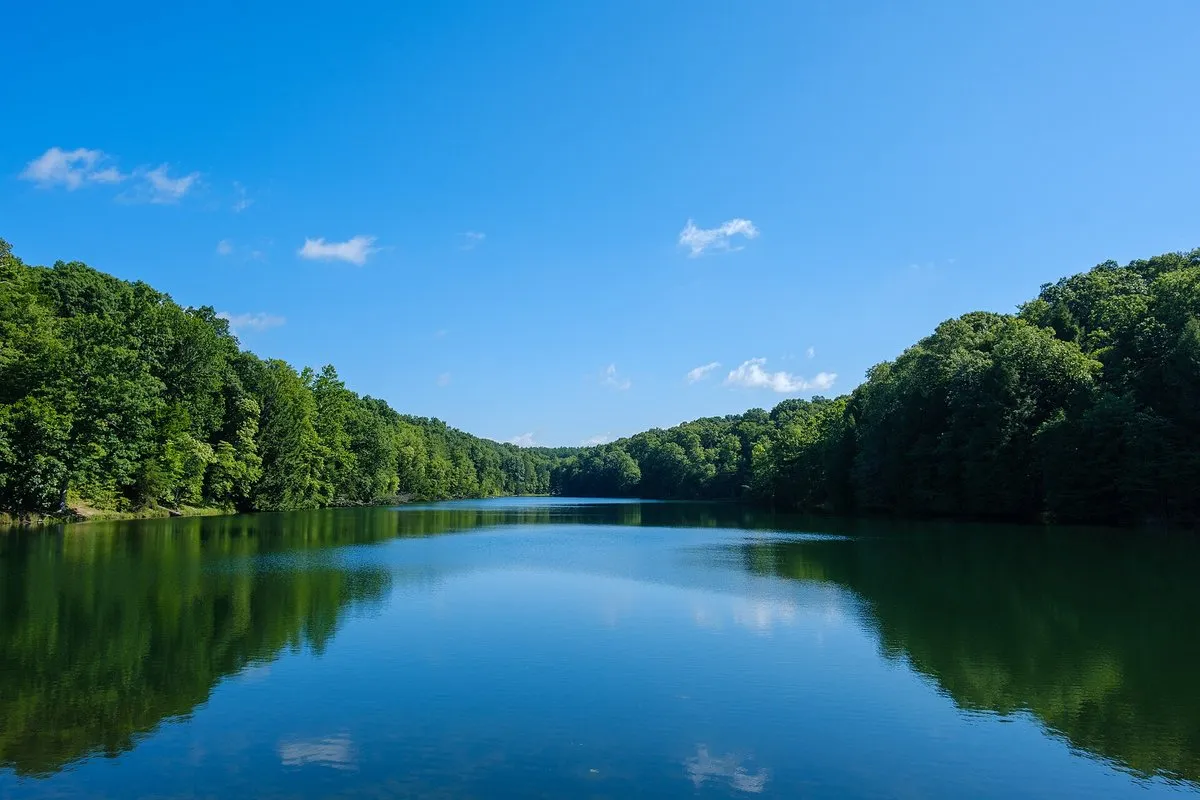
Hocking Hills State Park protects one of the most dramatic landscapes in Ohio, a stretch of ancient Black Hand sandstone carved over millions of years into caves, cliffs, waterfalls, and deep hemlock-lined gorges. Located in Hocking County in southeastern Ohio, the park draws more visitors than almost any other Ohio state park, and the reason is immediate and obvious the moment you step onto the trail. This is geological theater on a scale rare in the Midwest.
The Caves, Waterfalls, and Gorges
The signature features of Hocking Hills are its recess caves, which are not true caves in the spelunking sense but massive hollowed alcoves worn into the cliff faces by millennia of water seepage and freeze-thaw erosion. Old Man’s Cave is the most visited, a sprawling sandstone recess sheltering a hemlock forest floor and a series of waterfalls that cascade through a narrow gorge. Ash Cave, the largest recess cave east of the Mississippi, is a horseshoe-shaped overhang nearly 700 feet wide, and the waterfall at its center drops 90 feet into a shallow pool. Conkle’s Hollow State Nature Preserve offers some of the highest cliffs in the Hocking Hills area and one of the deepest gorges in Ohio. Cedar Falls, somewhat misleadingly named because the surrounding trees are hemlocks, is considered by many visitors to be the most beautiful waterfall in the park. Each of these areas is distinct enough to justify a separate visit, and the Old Man’s Cave, Cedar Falls, and Ash Cave corridor is a route that serious visitors often cover over two days.
Hiking the Park’s Trail Network
Over 25 miles of trails connect the major features, ranging from fully accessible paved paths and ramps to rugged gorge scrambles. The 6-mile Grandma Gatewood Trail links Old Man’s Cave to Ash Cave through mixed forest and sandstone terrain. The Buckeye Trail passes through the park as part of its statewide loop. Trail difficulty is often understated on signage. Wet conditions, which are common given the region’s moisture and the frequency of waterfall mist, make even moderate trails genuinely challenging in places. Footing near the cave areas requires attention at all times.
Camping
The park’s campground includes more than 150 sites with electric service, including full hook-up sites, 13 non-electric sites, and three Sherman Cabins for visitors without full camping gear. Campsites are set in wooded terrain near the main park facilities rather than at the individual cave areas. The campground fills quickly on weekends from late spring through October, and holiday weekends are reliably at capacity weeks in advance. Campground reservations through the Ohio Department of Natural Resources reservation system are required and can be made up to six months in advance. The Hocking Hills State Park Lodge also offers 40 cabins and 81 guestrooms, available through the lodge reservation system.
Stargazing and Night Hikes
Hocking Hills has developed a serious following among stargazers. The surrounding region has relatively low light pollution compared to central Ohio, and on clear nights John Glenn Astronomy Park — part of the Hocking Hills State Park astronomy offering and the only area of the park open at night — offers good conditions for naked-eye astronomy. The park runs occasional naturalist-led night hikes seasonally, popular enough that visitors should check the schedule and registration requirements before arriving. Outside organized events at John Glenn Astronomy Park, trails and picnic areas are open from ½ hour before sunrise to ½ hour after sunset; the cave and gorge trails are not appropriate for independent after-dark hiking.
Pet Policy
Leashed pets are welcome on Hocking Hills State Park trails and in most outdoor areas of the park, but pets are not permitted at Conkle’s Hollow State Nature Preserve. The leash must be no longer than six feet. Pets are not permitted in lodge rooms, in cabins not designated pet friendly, or in Sherman Cabins. Given the narrow trails, boardwalks near waterfalls, and significant foot traffic at peak times, dogs require attentive handling. Encounters with other dogs and wildlife are common on busy weekends.
Wildlife to Be Aware Of
Two venomous snake species live in the park and deserve genuine respect. Timber rattlesnakes favor rocky outcrops and the wooded edges of gorges, and are most active in warm weather from late spring through early fall. They are not aggressive but will strike if stepped on or cornered. Copperheads are more widely distributed through the park, preferring leaf-covered forest floors and rocky areas, and are harder to spot due to their camouflage. On any trail, watch where you step and where you place your hands when scrambling. Wearing closed-toe shoes is not optional here.
Black bears have been confirmed in southeastern Ohio in recent years and occasional sightings occur in the Hocking Hills region. They are not a regular presence, but campers should treat food storage seriously. Store food in your vehicle or a hard-sided container, never in a tent, and dispose of trash in the provided receptacles rather than leaving it at your site overnight.
The more immediate hazard for most visitors is not wildlife but geology. The sandstone surfaces near waterfalls and inside the cave alcoves are frequently covered in moss and algae that become extremely slick when wet. Cliff edges in several areas lack protective barriers. Falls resulting in serious injury happen at Hocking Hills regularly. Stay on marked trails, observe all posted barriers, and treat the edge of any cliff or waterfall platform as genuinely dangerous regardless of how crowded or casual the surroundings seem.
Practical Information
Hocking Hills State Park is located at 19852 State Route 664 South, Logan, Ohio. The nearest town is Logan, roughly 12 miles to the north on Route 664. Columbus is approximately 60 miles northwest and is the most common origin point for visitors. Entry to the park is free. Ohio state parks charge no entrance fee. Camping fees apply and campground reservations are required, bookable up to six months in advance. Trails and picnic areas are open year-round from ½ hour before sunrise to ½ hour after sunset, though winter conditions bring ice to the trails and some areas may close temporarily after significant storms. The park sees peak visitation on fall weekends when leaf color peaks, typically mid-October, and traffic and parking at the major cave areas can be severe during those weekends.
Frequently Asked Questions
Is there an entrance fee for Hocking Hills State Park?
Hocking Hills State Park is free to enter, as all Ohio state parks charge no admission fee, though camping fees apply and campground reservations are required.
Are dogs allowed on the trails at Hocking Hills?
Hocking Hills State Park permits leashed dogs on its trails, though visitors should be aware that the wet, rocky terrain near the cave and waterfall areas requires careful footing for both pets and their owners.
Is Hocking Hills State Park open year-round?
The park and its hiking areas are open all 365 days of the year, including holidays, making it a viable destination in any season.
How do I reserve a campsite at Hocking Hills State Park?
Campsites can be reserved through the Ohio Department of Natural Resources reservation system, and booking well in advance is essential since the campground fills quickly on weekends from late spring through October and reaches capacity weeks ahead of holiday weekends.