
Caesar Creek State Park
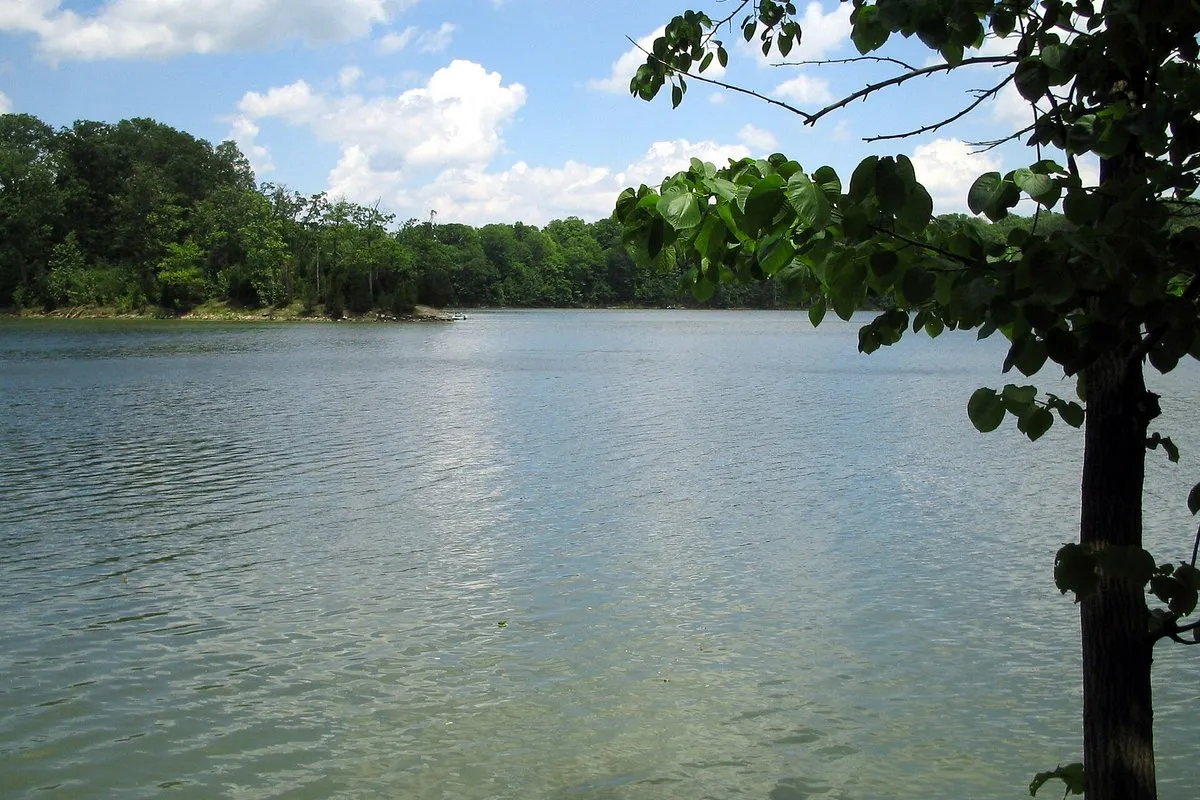
Caesar Creek State Park spans a large park and lake area in southwestern Ohio, primarily across Warren and Clinton counties, centered on a 2,830-acre reservoir managed by the U.S. Army Corps of Engineers. The park draws visitors for its open water, wooded trails, and one genuinely unusual feature: the Caesar Creek Gorge, where glacial meltwater carved through ancient Ordovician limestone and exposed fossils that are hundreds of millions of years old. That combination of recreational variety and geological history gives the park a character that goes beyond a typical inland reservoir stop.
Fossil Hunting at Caesar Creek
The gorge is one of the park’s most distinctive geological features, but public fossil collecting is limited to the emergency spillway. At the spillway, limestone and shale beds dating to the Ordovician period, about 438 million years ago, have been exposed, and the surface is scattered with brachiopods, bryozoans, crinoid stems, and trilobite fragments. The Caesar Creek Gorge State Nature Preserve, adjacent to the main park, protects some of the most significant exposures. Fossil collecting is permitted only at the emergency spillway, and visitors must first obtain a free permit from the U.S. Army Corps of Engineers Visitor Center. Collecting in the nature preserve or anywhere outside the spillway is prohibited. Wear sturdy shoes or boots with good grip, as the spillway floor is uneven and exposed. The spillway has no shade, and visitors should not climb the walls or the debris below them.
Caesar Creek Lake and Water Recreation
The reservoir is the centerpiece for warm-weather visits. The park has a 1,300-foot public beach with designated swimming areas, nearby picnic facilities, and posted water-quality advisories during the main summer season. Boating is popular throughout the season, and the marina offers leased and transient docks, fuel, pump-out service, and boater amenities, while seasonal kayak rentals are available through the campground store. There is no horsepower restriction on the lake, so personal watercraft and ski boats share the water with kayaks and canoes. Anglers target saugeye, muskellunge, largemouth bass, crappie, and channel catfish. Shore fishing access is available at multiple points around the lake, and the tailwater area below Harveysburg Road is a consistent spot for saugeye.
Trails for Hikers and Equestrians
The park has more than 50 miles of hiking, bridle, and mountain biking trails, ranging from short lakeshore walks to moderately rugged routes. The Perimeter Trail loops the lower portion of the lake and connects several access points, making it useful for longer outings. The Pioneer Village Trail passes a reconstructed pioneer settlement maintained near the visitor center, adding a historical layer to a short walk. Dedicated equestrian trails run through the eastern sections of the park, separate from hiking corridors. Mountain biking is not permitted on the hiking or horse trails, but the park does have dedicated mountain bike trails. Most trail surfaces are dirt and natural surface; some sections become muddy after rain, particularly in the gorge area.
Camping at Caesar Creek
The main campground offers 287 campsites with 50-amp electric service, including 35 full hook-up sites, with shower and restroom facilities on-site. A separate 25-site horseman’s camp accommodates equestrians and their animals with tie rails, picket posts, a shelter house, latrines, and non-potable water. Main campground reservations are made through the Ohio Department of Natural Resources reservation system, while the horseman’s camp is first-come, first-served. The campground is open year-round, though sites and facilities are reduced during the winter season from November 1 to April 1, when the campground is winterized and water is not available. The sites are mostly wooded or partially shaded and reasonably spaced, which gives the area a quieter feel than more open campgrounds. There is no dispersed or true backpacking camping within the park; primitive group camps are designated separately.
Pet Policy
Pets are welcome throughout most of the park and are allowed on all trails, including the equestrian trail corridors open to hikers. Dogs must be kept on a leash no longer than six feet at all times. Pets are permitted only in the designated pet area at the public beach and should be kept out of the marked swimming area. They are allowed in the campground with the same leash requirement. Owners are responsible for cleaning up after their animals.
Wildlife to Be Aware Of
White-tailed deer are common throughout the park and are most active at dawn and dusk. They are frequently seen crossing trails and meadows near the campground. While generally not aggressive, deer during the fall rut can behave unpredictably, and does with fawns in spring are protective. Give them space and do not attempt to feed them.
Coyotes are present in the wooded areas and along field edges. They are rarely a concern for adult visitors but can pose a risk to small pets. Keep dogs leashed and close, particularly in the early morning and evening when coyotes are most active.
Copperhead snakes inhabit the rocky areas of the gorge and are easily overlooked in leaf litter and along stone ledges. Their coloring provides effective camouflage against the limestone substrate. Watch where you place your hands and feet when scrambling in the gorge, and wear closed-toe shoes on all rocky terrain. Copperheads are venomous and should not be handled or provoked. If bitten, seek medical attention immediately.
Ticks are present throughout the park, particularly in tall grass and on wooded trails during spring and summer. Wear long pants and tuck them into socks when hiking in brushy areas. Apply an effective repellent before entering the trail system and do a thorough full-body check after every visit. Remove any attached ticks promptly and monitor the site for signs of infection.
Practical Information
Caesar Creek State Park is located at 8570 East State Route 73 in Waynesville, Ohio, approximately 40 miles northeast of Cincinnati and 75 miles southwest of Columbus. The main entrance is accessible from State Route 73. The visitor center near the dam is a useful first stop and offers exhibits on the park’s geology and history. Entry to the park is free; Ohio state parks charge no day-use admission fee. Camping fees apply and vary by site type. Reservations for the main campground are strongly recommended for summer weekends and can be booked through the ODNR reservation portal. The horseman’s camp is first-come, first-served, and group camps are reserved through the park office. Beach water-quality advisories are posted seasonally through BeachGuard from Memorial Day to Labor Day.
Frequently Asked Questions
Is there an entry fee for Caesar Creek State Park?
Caesar Creek State Park is free to enter, as Ohio state parks charge no admission fee, though camping fees apply for the electric sites and horseman's camp, both available by reservation.
Are dogs allowed at Caesar Creek State Park?
Dogs are welcome at Caesar Creek State Park, but coyotes are active in wooded areas and field edges throughout the park, so pets should be kept leashed at all times.
Can you collect fossils at Caesar Creek State Park?
Fossil collecting is permitted only at the emergency spillway, where Ordovician-era brachiopods, bryozoans, crinoid stems, and trilobite fragments are commonly found, and visitors must first obtain a free permit from the U.S. Army Corps of Engineers Visitor Center before collecting.
What camping options are available at Caesar Creek State Park?
The main campground offers 285 electric sites with shower and restroom facilities, and a separate horseman's camp with 30 sites accommodates equestrians and their animals, with both options available by reservation.