
Island Beach State Park
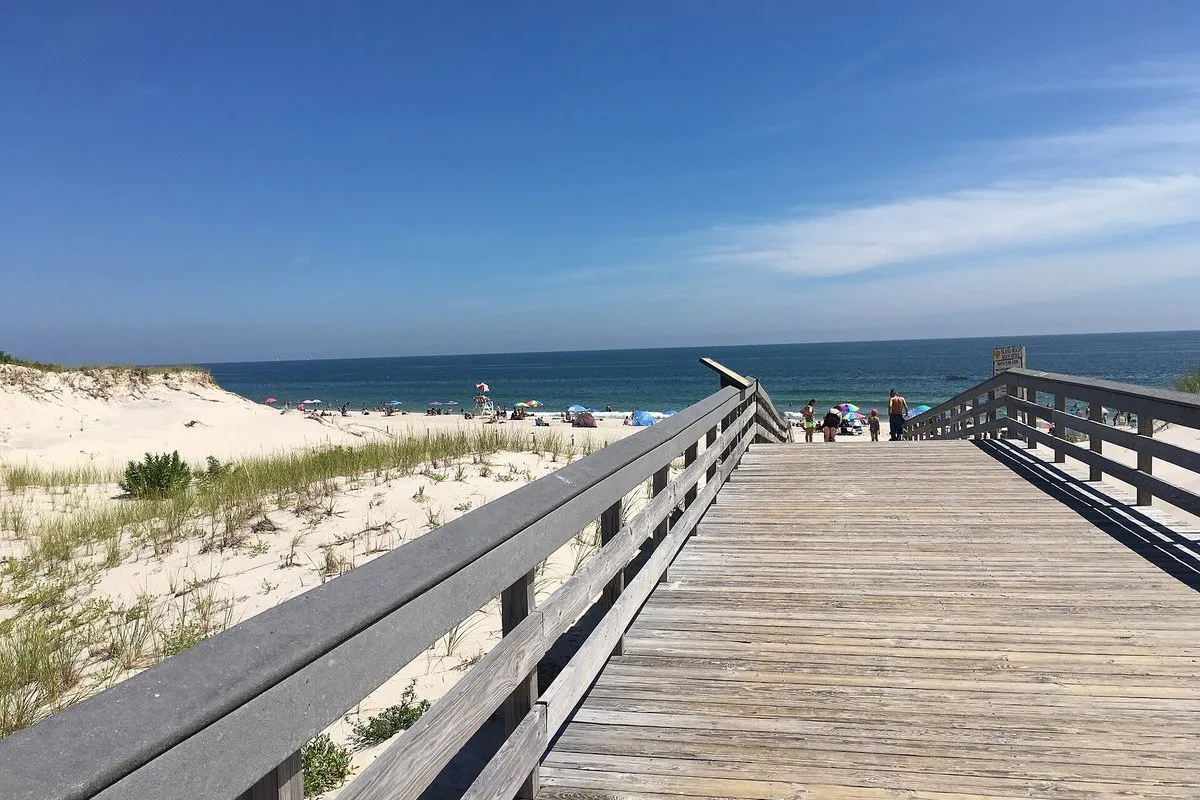
Island Beach State Park occupies a ten-mile strip of undeveloped barrier island along the central New Jersey coast, between Seaside Park to the north and Barnegat Inlet to the south. It is one of the last remaining stretches of natural barrier beach on the Atlantic coast, largely unchanged by the development that has reshaped most of the Jersey Shore. The park protects active dune systems, dense thickets of bayberry and beach plum, freshwater swales, and tidal marshes alongside its famous ocean beaches. For swimmers, anglers, birdwatchers, and anyone seeking an uncrowded stretch of sand, it stands apart from every neighboring beach town.
Ocean Beach and Swimming
The ocean beach is the primary reason most visitors make the drive down the barrier island. The water is clear and the surf is consistent, drawing swimmers and bodyboarders throughout the summer season. Lifeguards patrol designated swimming areas during peak season, and conditions can shift quickly with offshore winds and riptides, so swimmers should stay within guarded zones and pay attention to posted flags. The park has two main beach access areas with bathhouses, restrooms, and concessions. The crowds are real in July and August, especially on weekends, but thin considerably compared to the commercial beach towns nearby. Parking fills early on summer weekends and the park closes its gates once capacity is reached, so arriving before 9 a.m. is strongly recommended.
Surf Fishing
Surf fishing is a deeply rooted tradition at Island Beach and draws a dedicated following year-round. The beach is open to surf fishing vehicles with a valid off-road vehicle permit, and the southern reaches of the park near Barnegat Inlet are particularly productive for striped bass, bluefish, weakfish, and fluke. Fall is widely considered the prime season, when migrating stripers move through the inlet in numbers. Clamming is also permitted in designated areas of Barnegat Bay. Anglers should review current state fishing regulations before visiting, as size and bag limits apply to all species.
Birding and Natural Areas
Island Beach is one of the better birding locations on the New Jersey coast. The osprey population is well established, and nesting platforms are visible throughout the bay side of the park. During spring and fall migration, the thickets and bayberry shrublands along the nature trails concentrate warblers, sparrows, and other passerines moving along the coast. The short Aeolium Trail near the northern end of the park winds through barrier island plant communities and is worth exploring on foot. Several short nature trails provide access to the interior habitats, offering a real contrast to the open ocean side. Shorebird nesting activity in spring and early summer results in temporary closures of specific beach sections, which are clearly marked with signage.
Pet Policy
Pets are not permitted in the designated swimming areas or inside buildings. Elsewhere in the park, including the beach at A-7, pets must be on a leash no longer than six feet and under the owner’s control. Pets are also not permitted on the Tidal Pond Trail or Spizzle Creek Trail. Owners are expected to clean up after their animals. Given the widespread poison ivy throughout the park, keeping dogs on marked paths is strongly advised for their safety as well.
Wildlife to Be Aware Of
Jellyfish are common in the surf zone throughout summer, particularly lion’s mane and moon jellies. They tend to concentrate in warmer water and after storms, and swimmers should scan the water before entering and avoid contact with any jellyfish washed onto shore, as tentacles can still sting after the animal has died.
Poison ivy is one of the most significant hazards for visitors who venture off the main beach. It grows densely throughout the dune swales, woodland edges, and along trail margins, often reaching shrub height. Learn to identify the three-leaflet pattern before you visit, wear long pants on the trails, and rinse exposed skin thoroughly if you think you made contact.
Biting insects are a persistent issue in mid-summer, especially near the marshy bay-side areas. Greenhead flies are aggressive and their bites are sharp and immediate. Mosquitoes are most active in the evening and early morning. Insect repellent is not optional if you plan to spend time away from the ocean breeze.
Osprey and nesting shorebirds, including piping plovers, require some patience from visitors. Restricted zones are marked with fencing and signs, and entering them during nesting season can cause nest abandonment. The closures are temporary and localized, and the birding just outside them is often excellent.
Practical Information
Island Beach State Park is located at the southern end of Route 37 east, accessed via the bridge from Toms River onto the barrier island, then south on Central Avenue through Seaside Park. The park entrance is at the southern end of the developed beachfront. The nearest town with services is Seaside Park. No overnight camping is available within the park.
Entrance fees are collected year-round. During the summer season, from Memorial Day weekend through Labor Day, New Jersey residents pay $6 per vehicle on weekdays and $10 on weekends and holidays. Non-residents pay $12 on weekdays and $20 on weekends and holidays. In the off-season, the daily fee drops to $5 for New Jersey residents and $10 for non-residents. The park can reach capacity on summer weekends and will close to additional vehicles until cars leave, so planning an early arrival or visiting on a weekday will improve the experience considerably.
Frequently Asked Questions
What is the entry fee for Island Beach State Park?
During the seasonal period from Memorial Day to Labor Day, the daily vehicle fee is $7 for NJ residents on weekdays and $10 on weekends, while non-residents pay $20 on weekdays and $30 on weekends. Admission is free outside of that season.
Are dogs allowed on the beach at Island Beach State Park?
Pets are not permitted on the ocean beach or in swimming areas from Memorial Day through Labor Day, but leashed dogs on a six-foot leash are welcome on the beach outside of those dates and on the nature trails year-round. Owners should keep dogs on marked paths, as poison ivy is widespread throughout the park.
What time does Island Beach State Park open, and can the parking lot fill up?
The park opens at 7 a.m. on summer weekends and holidays and at 8 a.m. on regular days, and the gates close once the park reaches capacity. Arriving before 9 a.m. is strongly recommended on summer weekends to secure a spot.
Are there jellyfish or other wildlife hazards to be aware of at Island Beach?
Jellyfish, including lion's mane and moon jellies, are common in the surf zone throughout summer, and greenhead flies and mosquitoes peak in mid-summer near marshy areas. Poison ivy is also widespread across the dunes and woodland trails, so staying on marked paths is advised.
Do tides affect fishing and clamming at Island Beach State Park?
Tides strongly influence surf fishing along the oceanfront and in Barnegat Bay, with the incoming tide near low water typically producing the best results. Clamming in Barnegat Bay is also most productive around low tide when the flats are exposed; NOAA tide predictions for the Barnegat Inlet area cover this stretch of coast.