
Tuttle Creek State Park
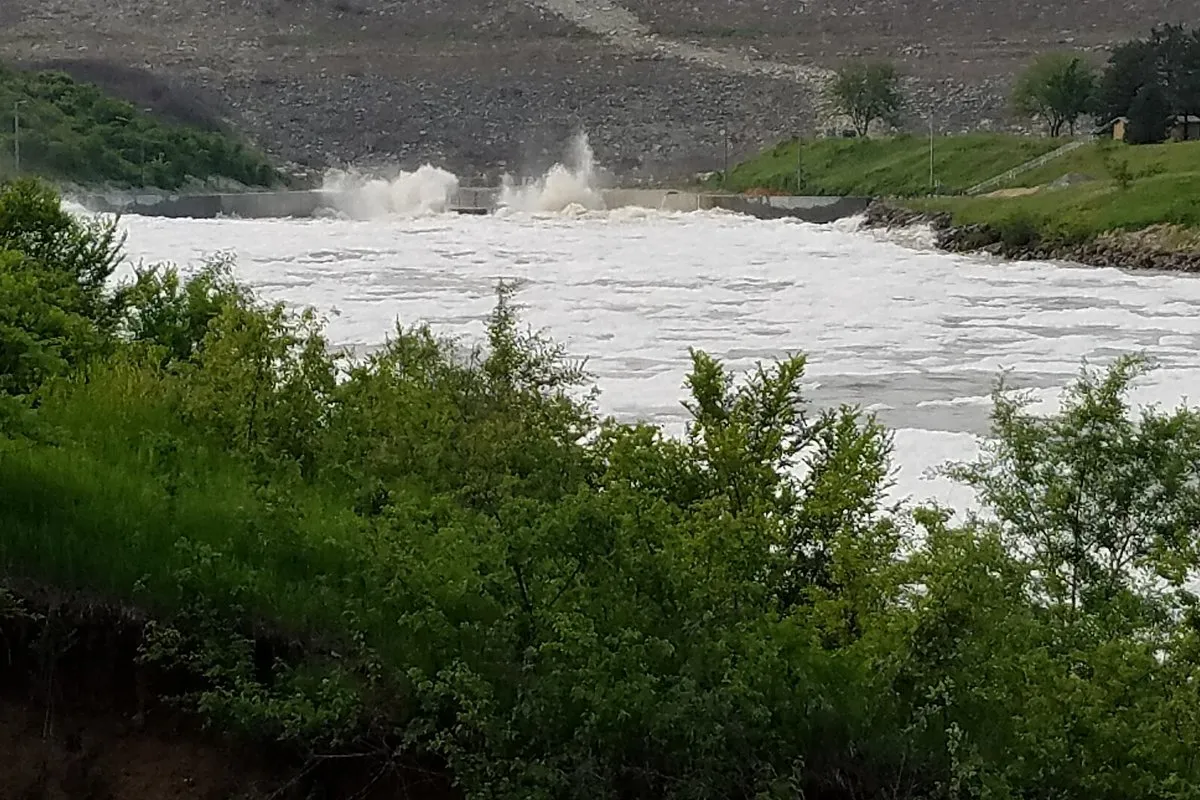
Tuttle Creek State Park wraps around a 12,500-acre reservoir in the Flint Hills of northeastern Kansas, roughly five miles north of Manhattan. Built on the Big Blue River after the Tuttle Creek Dam was completed in 1962, the park draws visitors with a wide mix of uses: camping along open grassland bluffs, fishing in one of the largest reservoirs in Kansas, and hiking through the rolling tallgrass terrain that defines this part of the state. The Flint Hills backdrop gives the park a character that most flatland reservoirs lack, with exposed limestone ridges and sweeping prairie views that can feel genuinely remote even this close to a college town.
Fishing the Big Blue Reservoir
Tuttle Creek Reservoir is the centerpiece of the park and the main reason many visitors make the drive. The reservoir holds healthy populations of walleye, wipers (white bass and striped bass hybrids), catfish, crappie, and largemouth bass. Walleye and wipers are the target species for most serious anglers, and the open water stretches near the dam are productive through much of the year. Shore fishing is accessible at multiple points along the park, and boat ramps are available for those launching from the main recreation areas. Anglers should check current Kansas Department of Wildlife and Parks regulations, as size and possession limits apply, and the reservoir is subject to occasional advisories related to water conditions.
Camping Along the Reservoir
The park offers several distinct camping areas spread across the shoreline and surrounding uplands, giving visitors options ranging from full-hookup sites for RVs to more primitive tent camping closer to the water. River Pond, Fancy Creek, and Randolph are among the named areas, each with its own character and amenities. Fancy Creek includes a beach area and is popular with families. Sites fill quickly on summer weekends and during fishing tournaments, so reservations through the Kansas state parks system are strongly recommended. The open, grassy setting of most sites means limited shade, and campers should plan accordingly during hot summer months.
Hiking and the Flint Hills Terrain
The hiking at Tuttle Creek is modest in mileage but rewarding in scenery. Trails wind through Flint Hills grassland, past limestone outcrops, and along reservoir shoreline segments. The terrain is mostly gentle to moderate, making it accessible to a wide range of hikers. The views from higher ground along the trails look out over both the reservoir and the surrounding tallgrass prairie, which turns a distinctive amber and rust color in late fall. Wildflower blooms are strong in spring and early summer. Most trails are multi-use, shared with mountain bikers and equestrians, so hikers should expect company and yield appropriately.
Equestrian and Off-Highway Vehicle Use
Tuttle Creek is one of the more equestrian-friendly state parks in Kansas. Designated horse camping areas and dedicated trail corridors make it a destination for riders hauling in from across the region. The park also includes off-highway vehicle (OHV) trails in specific designated zones, which is unusual among Kansas state parks and draws ATV and dirt bike riders who follow the posted rules for those areas. If you are hiking or riding horses near OHV areas, be aware of shared access points and follow posted signage to stay on appropriate routes.
Pet Policy
Pets are welcome throughout the park and on trails. Dogs must be kept on a leash no longer than 10 feet at all times. Pets are not permitted in swim beaches or in enclosed park buildings. Clean up after your pet, particularly in camping areas and along heavily used trail segments.
Wildlife to Be Aware Of
The combination of reservoir shoreline and Flint Hills grassland creates habitat for several species that require attention. Cottonmouth water moccasins are present along the reservoir edges and river margins. They are venomous and should not be approached. When fishing or moving through low vegetation near the waterline, watch where you step and where you place your hands. Western massasauga rattlesnakes live in the grassland areas of the park, particularly in taller grass and rocky patches. They tend to be reclusive but will strike if startled or cornered. Walk carefully in unmaintained vegetation and never reach into areas you cannot see clearly.
Ticks are a serious and consistent concern from spring through fall. Both the American dog tick and the lone star tick are common here, and both can transmit disease. Check yourself, children, and pets thoroughly after any time in grass, brush, or wooded edges. Light-colored clothing and insect repellent with DEET help reduce exposure.
Blue-green algae blooms can form on the reservoir during hot summer months. These blooms are toxic to people and pets and can cause serious illness through skin contact or ingestion. Before swimming or allowing pets in the water, check current advisories posted by the park or available through the Kansas Department of Health and Environment.
Practical Information
Tuttle Creek State Park is located at 5800 River Pond Road, Manhattan, Kansas 66502, approximately five miles north of Manhattan on US-24 and then north on State Park Road. The nearest full services are in Manhattan. Coordinates for the main entrance area are 39.2697, -96.5836.
Entry fees are $5 per vehicle for a daily pass. An annual Kansas State Parks permit costs $25 and covers day-use entry at all state parks in Kansas. Camping fees are separate and vary by site type and amenities. Reservations can be made through the Kansas state parks reservation system online.
The park is open year-round, though some facilities close or reduce hours in winter. Summer is the busiest season, with fishing tournaments and holiday weekends creating heavy demand for campsites. Spring and fall offer the most comfortable conditions for hiking and exploring the Flint Hills terrain.
Frequently Asked Questions
Are dogs allowed at Tuttle Creek State Park?
Pets are welcome throughout the park and on trails, though dogs must be kept on a leash at all times.
How much does it cost to enter Tuttle Creek State Park?
Entry is $5 per vehicle for a daily pass, or you can purchase an annual Kansas State Parks permit for $25.
How do I reserve a campsite at Tuttle Creek State Park?
Campsites can be reserved through the Kansas state parks reservation system, and booking ahead is strongly recommended since sites fill quickly on summer weekends and during fishing tournaments.
What fish can I catch at Tuttle Creek Reservoir?
The reservoir holds walleye, wipers, catfish, crappie, and largemouth bass, with walleye and wipers being the primary targets for most anglers fishing the open water near the dam.