
El Dorado State Park
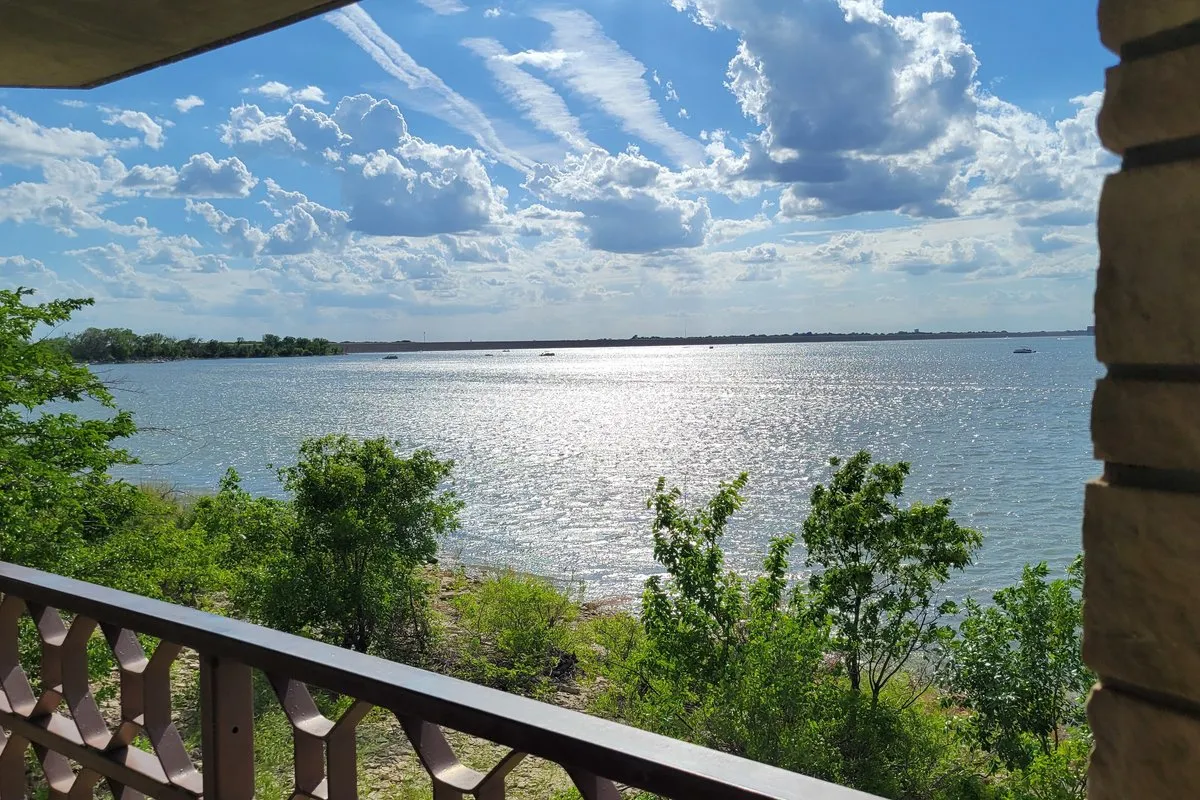
El Dorado State Park covers more than 4,000 acres along the shores of El Dorado Lake in Butler County, Kansas, about 30 miles northeast of Wichita. It is the largest state park in Kansas, and its scale is the point: four separate park areas ring the reservoir, giving visitors an unusually wide range of terrain, campground styles, and access points for a single inland park. The lake itself spans roughly 8,000 acres, and together the water and surrounding tallgrass prairie define everything the park offers.
El Dorado Lake and Water Recreation
The lake is the primary draw for most visitors. Boating is unrestricted by horsepower limits, which makes El Dorado popular with water-skiers and tubers alongside anglers and paddlers. Multiple boat ramps serve the different park areas, and the marinas provide fuel and basic supplies during the season. Fishing is productive year-round, with walleye, crappie, largemouth bass, catfish, and white bass among the most commonly caught species. Shoreline fishing access is available throughout the park, and several coves on the southern end offer quieter water for kayakers and canoeists.
Swimming is permitted at designated beach areas. Before entering the water, check the Kansas Department of Health and Environment water quality advisories, as toxic blue-green algae blooms can develop during summer heat and are not always visually obvious.
Camping Across Four Park Areas
With more than 1,100 campsites spread across the Boulder, Shady Creek, Walnut River, and West camping areas, El Dorado is one of the most camping-intensive parks in the Great Plains. Sites range from basic primitive spots near the water to full-hookup electric sites suitable for large RVs. The four areas have noticeably different characters: Boulder sits on open ground with wide lake views, while Shady Creek lives up to its name with more tree cover and a quieter atmosphere. Walnut River sits along the river corridor at the southern end, and West tends to draw visitors focused on the swimming beach nearby.
Reservations are strongly recommended for weekends between May and September, and holiday weekends fill months in advance. Some sites remain available on a walk-in basis, but counting on availability during peak summer is a risk.
Trails for Hiking and Mountain Biking
The park maintains around 15 miles of trails distributed across its areas. These are not destination trails in the technical sense, but they provide solid access to the tallgrass prairie landscape and lake views that define the park’s character. The trails in the Boulder area are the most-used for hiking, winding through open grassland with occasional tree cover.
Mountain bikers have dedicated trail access, and El Dorado has become a legitimate stop on the Kansas mountain biking circuit. The terrain is not extreme, but the rolling prairie provides enough variety to keep intermediate riders engaged. Trail conditions can deteriorate after heavy rain, so check ahead if recent weather has been wet.
Pet Policy
Pets are welcome throughout the park and are allowed in campgrounds, on trails, and in most common areas. They must be on a leash no longer than 10 feet at all times. Pets are not permitted on designated swimming beaches or in any enclosed public building. Given the presence of snakes in grassy and marshy areas, keeping dogs on leash and out of tall vegetation is a safety measure that matters here, not just a rule.
Wildlife to Be Aware Of
Two venomous snake species live within the park. Cottonmouth water moccasins are present along the lake’s shoreline and in marshy coves, particularly in warm months. They are aquatic snakes and are most often encountered near the water’s edge. Give them space and do not attempt to handle or provoke them. Western massasauga rattlesnakes occupy the grassland portions of the park. This is a smaller rattlesnake species, easy to overlook in tall grass. Watch your footing carefully when walking through unmowed areas and stay on established trails when possible.
Ticks are active from early spring through late fall and are common in both grassy and brushy areas. After any time on trails or in vegetation, check your clothing and skin thoroughly, including behind the knees, around the waistband, and in the hairline. Wearing light-colored clothing and using repellent reduces exposure but does not eliminate it.
Blue-green algae, more accurately described as cyanobacteria, can produce toxins dangerous to people and animals when blooms occur. Blooms are most likely during hot, still weather in summer. The water may appear greenish or have a scummy surface layer, but blooms are not always visible. Do not swim in areas where an advisory is posted, and keep pets out of the water during any advisory period.
Practical Information
El Dorado State Park is located at 618 NE Bluestem Road, El Dorado, Kansas. The park is about 30 miles northeast of Wichita via US-54 east to Kansas-177 north. El Dorado, the nearest town, is immediately adjacent to the park and offers gas, groceries, and dining.
Daily vehicle entry costs $5. An annual Kansas State Parks permit costs $25 and covers entry at all state parks in Kansas for the calendar year. Camping fees are separate from entry and vary by site type. Reservations can be made through the Kansas State Parks reservation system online.
The park is open year-round. Summer weekends are the busiest period. Spring and fall offer comfortable conditions for hiking and fishing with significantly smaller crowds. Winter camping is possible but facilities are reduced and some areas may close seasonally.
Frequently Asked Questions
Is there an entry fee to visit El Dorado State Park?
A vehicle permit is required to enter the park, priced at $5 per day or $25 for an annual Kansas State Parks permit that covers all state parks.
Are dogs allowed at El Dorado State Park?
Pets are welcome in campgrounds, on trails, and in most common areas as long as they are on a leash no longer than 10 feet, though they are not permitted on designated swimming beaches or in enclosed public buildings.
Is it safe to swim at El Dorado Lake?
Swimming is permitted at designated beach areas, but visitors should check Kansas Department of Health and Environment water quality advisories before entering the water, since toxic blue-green algae blooms can develop during summer heat and are not always visible.
Are there snakes at El Dorado State Park?
Cottonmouth water moccasins are present along the lake shoreline and in marshy coves, and Western massasauga rattlesnakes can be found in grassland areas, so visitors should watch their footing in tall grass and keep pets on leash and out of dense vegetation.