
Hammonasset Beach State Park
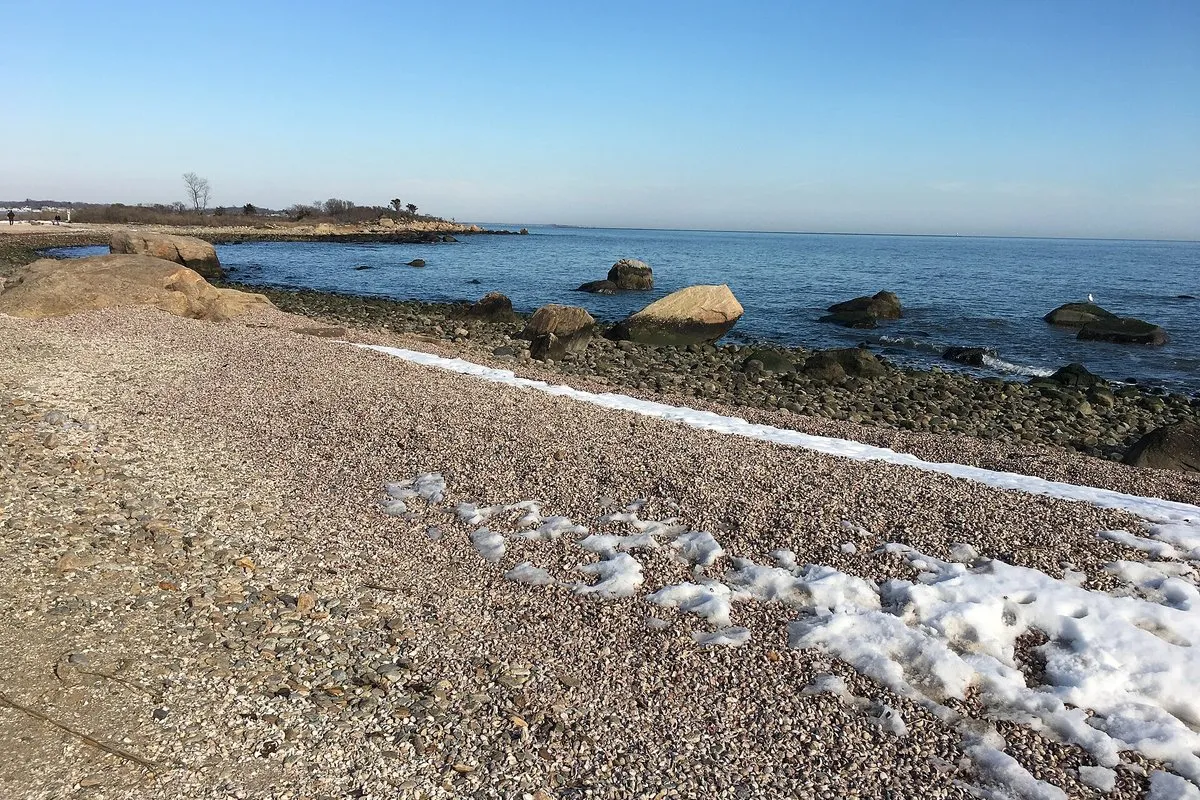
Connecticut’s longest public beach stretches more than two miles along Long Island Sound in Madison, making Hammonasset Beach State Park one of the most visited parks in New England. The park covers roughly 936 acres and draws beachgoers, campers, birders, and kayakers from across the region. Its broad sandy shoreline, coastal marsh habitat, and accessible facilities make it a genuinely versatile destination rather than a single-use beach stop.
The Beach and Shoreline
The main beach is the reason most people come, and it delivers. Two miles of open sandy shoreline face Long Island Sound, with calm enough water for swimming, bodyboarding, and wading. The beach has lifeguards on duty during summer months, bathhouses, concession stands, and ample parking. Even on busy summer weekends, the sheer length of the beach means you can usually find a quieter stretch by walking east or west from the main pavilion. Tidal pools appear along the rockier sections near Meigs Point, where kids and curious adults can find crabs, periwinkles, and small fish without venturing far from shore.
Camping at Hammonasset
Hammonasset operates one of the largest campgrounds in the Connecticut state park system, with 556 campsites and 8 rustic cabins spread across open, grassy loops near the beach. The campground suits families and groups well, with flush toilets, showers, and electric hookups available at many sites. Sites are close together and not heavily wooded, so this is not a wilderness camping experience. What it offers instead is reliable beach access just a short walk from your tent or trailer, which is the point. Summer reservations fill quickly, sometimes months in advance, so planning ahead is essential if you want a weekend stay between late June and Labor Day. The campground is open from Memorial Day weekend through October 11th.
Birding at Meigs Point
The Meigs Point area on the eastern end of the park is a serious birding destination, particularly during spring and fall migration. The coastal location along the Atlantic Flyway concentrates shorebirds, warblers, raptors, and waterfowl in numbers that attract birders from well outside the region. The nature center at Meigs Point offers exhibits on local ecology and is staffed by naturalists who can point you toward recent sightings. Osprey nest in the area and are reliably visible during warmer months. The salt marshes behind the beach hold herons, egrets, and rails throughout the season. Fall migration, roughly August through October, is considered the peak period for species diversity.
Trails and Walking Paths
Trails here are flat, short, and easy, which suits the park’s coastal terrain. The primary walking paths loop through the Meigs Point area and along the marsh edge, covering a combined distance of about two miles. The Willard’s Island Trail gives access to salt marsh habitat and offers good views across the estuary. None of the trails require any particular fitness level or gear beyond comfortable footwear. They function well as an add-on to a beach day rather than a destination in themselves, though birders will find the marsh routes worth dedicated time.
Pet Policy
Dogs are not permitted on the beach from April 1 through September 30, and are not allowed in the campground from May 1 through Columbus Day. Outside of those dates, leashed dogs are welcome in most areas of the park. The leash rule applies year-round wherever dogs are allowed. Service animals follow applicable state and federal guidelines regardless of season.
Wildlife to Be Aware Of
Deer ticks are present throughout the park in every season, including winter, and pose a real Lyme disease risk in the wooded sections and tall grassy areas near the marsh. Wear long pants and closed shoes when walking the trails, apply insect repellent with DEET, and check yourself and any children thoroughly after leaving grassy or wooded areas. Prompt tick removal significantly reduces the risk of disease transmission.
Jellyfish are common in Long Island Sound during summer months, particularly from mid-July through August. Most encounters involve moon jellyfish, which produce only mild stings, but contact can still be irritating. If you see jellyfish in the water, exercise caution and watch for them near the shoreline before letting young children wade in unsupervised. Lifeguards can often advise on current conditions.
Osprey and other shorebirds nest in the Meigs Point area during spring and summer. Nesting birds are sensitive to disturbance and the park asks visitors to stay on marked paths in that section of the park during nesting season. Approaching nests too closely can cause adults to abandon eggs or chicks. Follow posted signs and keep a respectful distance from any bird that appears agitated or is calling repeatedly from a low perch.
Practical Information
Hammonasset Beach State Park is located at 1288 Boston Post Road in Madison, Connecticut. From Interstate 95, take Exit 62 and follow the signs south on Hammonasset Connector Road directly into the park entrance. The nearest town center is Madison, about a mile north on Route 1, with grocery stores, restaurants, and services.
Connecticut residents with valid license plates enter for free, while non-residents are charged $20 per vehicle. Annual passes are available and can pay for themselves quickly for frequent visitors. Camping reservations can be made through the Connecticut state parks reservation system online. The park is open year-round for day use, though facilities are limited outside the main season.
Frequently Asked Questions
What is the entrance fee for Hammonasset Beach State Park?
Entry fees are charged per vehicle, with Connecticut residents paying $7 on weekdays and $15 on weekends, while out-of-state visitors pay $15 on weekdays and $22 on weekends. Annual passes are also available.
Can I bring my dog to Hammonasset Beach State Park?
Dogs are not permitted on the main beach or in the campground from April 15 through September 30, but leashed dogs are welcome in most areas of the park outside of those dates. The leash rule applies year-round wherever dogs are allowed.
Do I need reservations for camping at Hammonasset Beach State Park?
Reservations are strongly recommended, as summer sites fill up months in advance, particularly for weekend stays between late June and Labor Day. The campground is open from mid-April through September or early October depending on conditions.
Are there jellyfish or other wildlife hazards at Hammonasset Beach?
Jellyfish are common along the Long Island Sound shoreline during summer months, and deer ticks are present throughout the park year-round, posing a Lyme disease risk in wooded and grassy areas. Visitors to the Meigs Point area should also stay on marked paths during nesting season to avoid disturbing osprey and shorebirds.