
South Cape Beach State Park
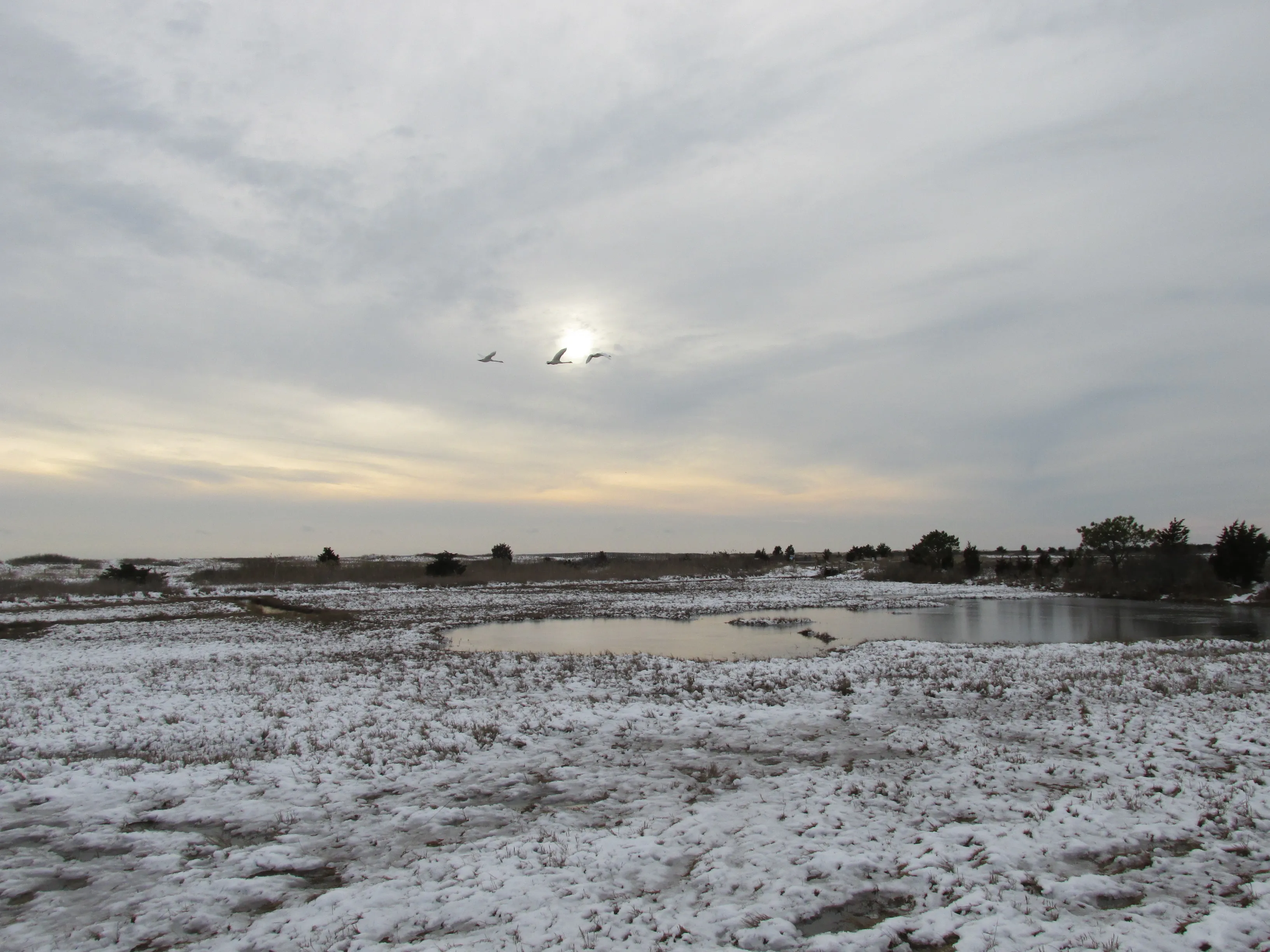
South Cape Beach State Park in Mashpee preserves a quiet stretch of undeveloped shoreline on the south side of Cape Cod, with ocean beach, dunes, salt marsh, coastal ponds, and scrub oak woodland. It is a good choice for visitors who want a less commercial Cape beach with room to walk, watch birds, and spend time near the water without the boardwalk atmosphere of busier beach towns.
The Beach
South Cape Beach is the main reason most visitors come to the park. The beach faces Vineyard Sound and has pale sand, low dunes, and open views across the water toward Martha’s Vineyard. It feels more natural than many Cape Cod beaches, with fewer built-up surroundings and a quieter setting at the end of Great Oak Road in Mashpee.
Swimming is popular in summer, but visitors should know that South Cape Beach is an unguarded beach. There may not be lifeguards on duty, so swimmers should use caution, watch conditions closely, and keep children within arm’s reach. The water is usually calmer than the outer Cape’s Atlantic-facing beaches, but wind, waves, currents, and sudden drop-offs can still create hazards.
Beachgoers should bring sun protection, drinking water, snacks, towels, and shade, especially on hot summer days. The beach has a more natural feel than a resort beach, so it is smart to arrive prepared. Insects can be active around marshy areas, and the sun can be intense on the open sand. Water shoes may be useful if you plan to walk near shells, stones, or wrack lines along the shore.
Trails Through Dunes and Marsh
South Cape Beach is also a good place for a short coastal walk. Trails and sandy paths lead through dunes, salt marsh edges, scrub oak, and coastal woodland, giving visitors a quick look at several Cape Cod habitats in one compact park. The landscape changes quickly: one moment you are near open beach, and a few minutes later you may be walking past marsh grass, low shrubs, and sheltered coastal ponds.
The park’s trails are best for easy walking rather than strenuous hiking. Expect sand, exposed sun, and occasional uneven footing. The dune and marsh routes are especially appealing in the morning or late afternoon, when temperatures are cooler and the light is better for photography.
Because the dunes and marshes are fragile, visitors should stay on marked paths and avoid trampling vegetation. Beach grass and dune plants help hold the shoreline together, and marsh areas provide important habitat for birds, fish, shellfish, and other coastal wildlife.
Wildlife
South Cape Beach State Park protects a mix of beach, dune, marsh, pond, and woodland habitats, which makes it a strong wildlife-watching spot. Birders may see shorebirds along the sand, gulls and terns over the water, ospreys hunting near the coast, and wading birds around marsh edges. During migration, the park can be especially rewarding because birds use coastal habitats as feeding and resting areas.
The dunes and upper beach support hardy plants adapted to salt spray, wind, shifting sand, and dry conditions. Beach grass, scrub oak, bayberry, and other coastal vegetation help create shelter for insects, small mammals, and nesting or feeding birds. Offshore and along the shoreline, visitors may spot fish, crabs, shells, and other marine life tied to Vineyard Sound.
Wildlife viewing is best when visitors keep distance and move quietly. Shorebirds and nesting birds are easily disturbed, especially during spring and summer. If an area is roped off or posted for habitat protection, stay out of it and give birds plenty of room.
Pet Policy
Pets are allowed at South Cape Beach State Park outside the main beach restriction season, but dogs are not allowed on DCR ocean beaches from April 1 through September 30. That seasonal restriction applies to South Cape Beach, so visitors should not plan to bring dogs onto the beach during spring and summer.
When pets are allowed in permitted areas, they must be leashed and under control. Owners should clean up after them and follow all posted signs, especially near dunes, marshes, beach entrances, and protected wildlife habitat. Rules can be enforced more strictly during busy beach season and in sensitive shorebird areas.
Practical Information
South Cape Beach State Park is located at 668 Great Oak Road in Mashpee, Massachusetts. The park sits on the south side of Cape Cod, near Waquoit Bay and New Seabury. From Route 28, drivers can reach the park by following local roads south through Mashpee toward Great Oak Road.
The park is open from sunrise to sunset. Daily parking fees are charged seasonally, with current listed fees of $15 for Massachusetts residents and $40 for non-residents. Fees are collected from 9 a.m. to 5:30 p.m. during the posted summer fee season, which currently runs from June 13 through September 7.
Summer weekends can fill quickly, especially on hot beach days. Arriving early gives you the best chance of getting a parking space and enjoying the beach before the busiest part of the day. Late afternoon can also be a pleasant time to visit, especially for walking, photography, and cooler beach conditions.
South Cape Beach is roughly 75 miles southeast of Boston, though Cape traffic can make the trip much longer in summer. From Providence, the drive is usually around 70 miles, depending on route and bridge traffic. For the smoothest trip, avoid peak Cape Cod travel windows on Friday afternoons, Saturday mornings, and Sunday evenings.
Wildlife to Be Aware Of
Ticks are active throughout the dune grasses, scrub oak edges, bayberry, and salt marsh margins of South Cape Beach from early spring through late fall. Deer ticks on Cape Cod carry Lyme disease and other tick-borne illnesses. The open hard-packed sand is lower risk, but any time spent in grasses, dune vegetation, or the scrub edges between the beach and the parking area creates exposure. Apply repellent before your visit, check yourself carefully when you return to the car, and check children and pets. Lion’s mane jellyfish are regularly present in Vineyard Sound during summer months. They can be large, with long trailing tentacles that extend well beyond the bell. Look across the water surface before entering and avoid swimming near concentrations. Dead jellyfish on the beach can still sting on contact. This is an unguarded beach with no lifeguards on duty. Rip currents can form along the shore, and conditions change with wind, tide, and weather. Do not allow children to wade or swim without direct supervision, and stay aware of any unusual pull or current while in the water. Piping plovers nest on this beach from spring through summer and are federally protected. Posted nesting areas must be avoided, and pets are prohibited on the beach from April 1 through September 30.
Frequently Asked Questions
What is the parking fee at South Cape Beach State Park?
Parking costs $15 for Massachusetts residents and $40 for non-residents during fee season, which runs June 13 through September 7 from 9am to 5:30pm, with daily passes available through the MA DCR Yodel Portal.
Are dogs allowed at South Cape Beach State Park?
Dogs are not allowed on the beach from April 1 through September 30 under Massachusetts DCR rules for ocean beaches. Outside that restriction season, pets must be leashed and under control in permitted areas.
Is there a lifeguard on duty at South Cape Beach?
South Cape Beach is an unguarded beach, so swimmers should use caution, watch conditions closely, and keep children within arm's reach at all times.
Are there jellyfish in the water at South Cape Beach?
Lion's mane jellyfish are common in Vineyard Sound during summer, so visitors should look before entering the water, and ticks are also a concern along dune grasses and marsh edges after any time spent off hard sand.