
Carter Caves State Resort Park
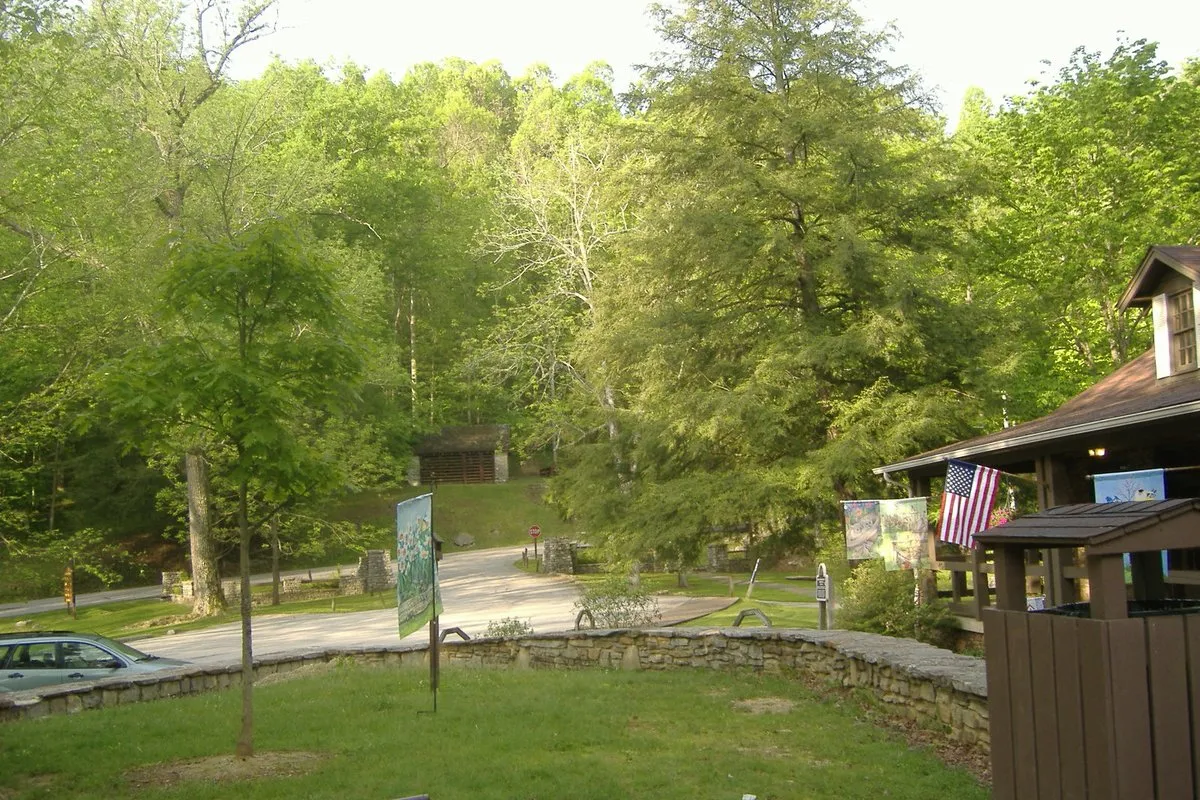
Carter Caves State Resort Park sits in the rugged hill country of northeastern Kentucky, about 4 miles north of Olive Hill in Carter County. The park covers roughly 2,000 acres of forested ridges, sandstone outcroppings, and a remarkable concentration of caverns that draw visitors from across the region. What sets it apart from other Kentucky state parks is the combination of active cave systems, natural rock bridges, and accessible woodland terrain all within the same relatively compact landscape.
Cave Tours
The caves are the reason most people come here, and they deliver. Carter Caves contains more than 20 documented caverns, and the park offers guided tours through several of them on a regular schedule. Cascade Cave is the park’s longest scenic cave tour, featuring a 30-foot underground waterfall and spacious passages, though the route includes more than 250 stairs. X Cave and Saltpetre Cave offer different experiences, with narrower formations and more geological character. Tour availability and frequency shift with the seasons, so checking the schedule ahead of your visit is worthwhile. X Cave and Cascade Cave run tours through the winter, while Bat Cave and Saltpetre Cave are generally offered Memorial Day through Labor Day because of bat hibernation and seasonal access limits. All cave tours are ticketed separately from general park access, with pricing varying by tour type and length.
Natural Arch Trail System
Beyond the caves, the park’s trail network winds through terrain shaped by the same erosive forces that carved the caverns. Natural rock bridges, or arches, appear throughout the landscape and are among the more striking geological features above ground. Smokey Bridge and Natural Bridge are accessible on moderate hikes and reward visitors with views that require little technical effort to reach. The trail system covers roughly 26 miles in total, ranging from flat loop walks near the resort area to longer routes through the backcountry. The Kiser Hollow Trail offers more sustained elevation change and connects hikers to quieter sections of the park. Trail surfaces vary considerably, with some rocky stretches requiring reasonable footing and attention on wet days.
Smokey Valley Lake and Surface Recreation
A small lake in the park provides opportunities for fishing and non-motorized boating. Pedal boats and rowboats are available for rent during warmer months, and guided canoe trips are typically seasonal. Anglers typically target largemouth bass, bluegill, catfish, and crappie. This is a quieter corner of the park and tends to attract visitors looking for a slower pace than the cave tour schedule provides.
Lodging and Camping
Carter Caves functions as a resort park, which means overnight accommodations range from a full-service lodge to cottages and campgrounds. Lewis Caveland Lodge sits near the center of the developed area and offers standard room accommodations year-round. Cottages vary in size and amenity level. Campground sites include options with electrical hookups as well as more basic sites. Fees vary by site type and season. Reservations are recommended during peak summer weekends and fall color season, when the park sees its heaviest visitation.
Pet Policy
Pets are welcome at Carter Caves and must be leashed or otherwise restrained in public areas. They are allowed in campgrounds and on permitted trails, but not on trails within State Nature Preserves, including some restricted trails at Carter Caves. Pet-friendly lodge rooms or cottages may be available for an additional fee, but pets are not permitted in restaurants, meeting rooms, cave tour areas, or other restricted indoor facilities. Owners are responsible for cleaning up after their animals. Given the rocky and uneven terrain on many trails, keep pets close and watch for exposed roots and drop-offs.
Wildlife to Be Aware Of
Bats are a significant part of the cave ecosystem at Carter Caves, and white-nose syndrome, a fungal disease that has devastated bat populations across North America, is present here. Do not disturb roosting bats inside or near cave entrances. If you are visiting multiple cave systems during a trip, follow any decontamination protocols the park requires, which may include treating gear and footwear between cave visits to avoid spreading the fungus. Park staff can provide current guidance.
Venomous snakes are present in the park, including copperheads and timber rattlesnakes. Both species favor rocky outcroppings, ledges, and the edges of trails where they can regulate their temperature. Watch carefully where you step, and do not reach into rock crevices or under ledges without looking first. Encounters are uncommon but possible, particularly in warm months.
Black bears are present in eastern Kentucky and may move through the wooded backcountry around the park. Store all food, trash, and scented items securely, whether you are camping or leaving items in a vehicle overnight. If you encounter a bear on the trail, do not approach it. Make noise as you hike to reduce the chance of surprising one at close range.
Practical Information
Carter Caves State Resort Park is located at 344 Caveland Drive, Olive Hill, Kentucky 41164, with coordinates 38.3706, -83.1241. The nearest town is Olive Hill, roughly 4 to 5 miles to the south by way of KY 182 and U.S. Route 60. The nearest Interstate 64 interchange is less than 10 miles south by road, making the park reachable from Lexington within roughly two hours and from Huntington, [West Virginia](/west-virginia), in about an hour.
There is no general admission fee to enter the park. Guided cave tours are ticketed separately, with fees varying by tour. Campsite fees vary by site type. Current pricing for tours, lodging, and camping is available on the Kentucky State Parks official website, where reservations for lodging and campsites can also be made. The park operates year-round, though cave tour availability is reduced in winter months due to bat hibernation season.
Frequently Asked Questions
Is there an entry fee to visit Carter Caves State Resort Park?
There is no general admission fee to enter the park, though guided cave tours are ticketed separately with pricing that varies by tour type and length.
Are dogs allowed at Carter Caves State Resort Park?
Pets are welcome at the park and must be leashed or otherwise restrained in public areas, with access permitted in campgrounds and on most trails but not on trails within State Nature Preserves.
Which caves are open year-round at Carter Caves?
X Cave and Cascade Cave offer tours through the winter, while Bat Cave and Saltpetre Cave are generally only available Memorial Day through Labor Day due to bat hibernation and seasonal access limits.
Are there bats in the caves at Carter Caves State Resort Park?
Bats are present throughout the cave systems, including an estimated 40,000 Indiana bats that hibernate in Bat Cave during winter, and visitors should follow all decontamination protocols between cave visits and avoid disturbing roosting bats, as white-nose syndrome is present in the local bat population.