
Staunton State Park
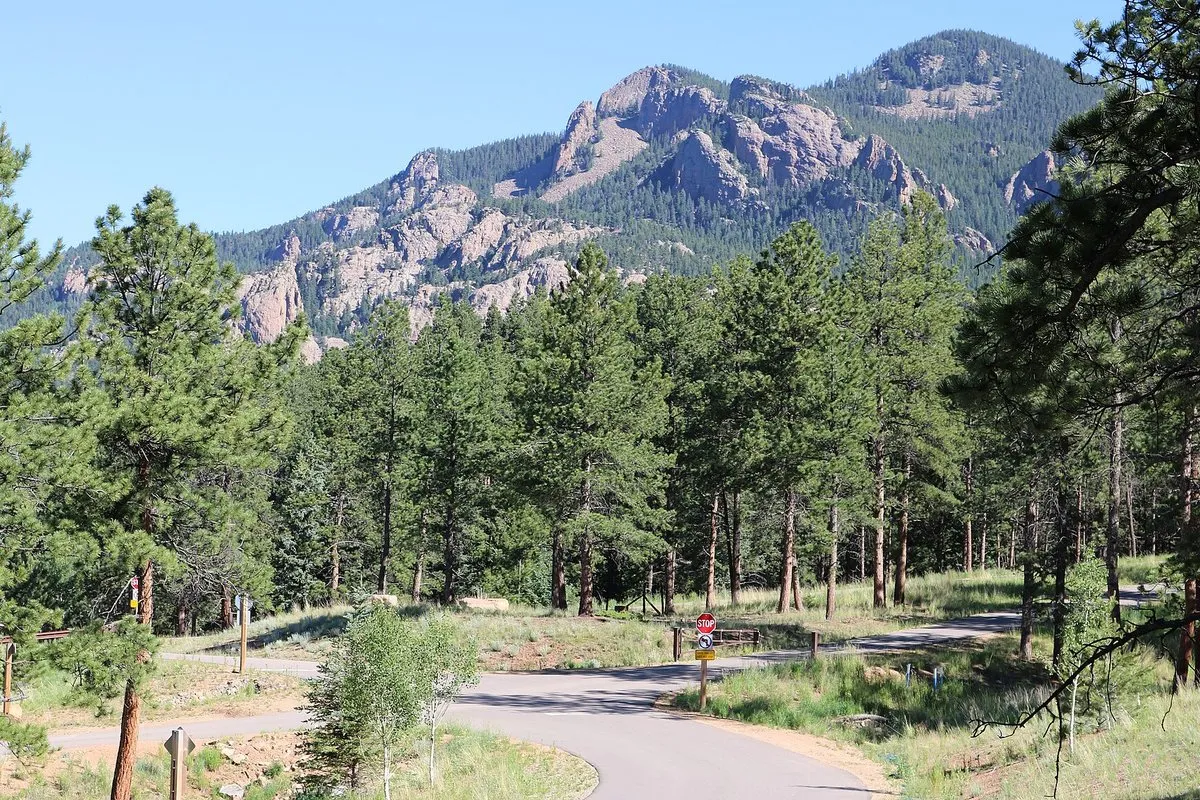
Staunton State Park occupies about 1,700 acres in the foothills west of Denver, making it one of Colorado’s newer additions to the state park system after opening in 2013. The park climbs through dense ponderosa pine and Douglas fir forests, opens onto granite outcroppings with sweeping views toward the Continental Divide, and offers a level of solitude that can be hard to find this close to a major metro area. Its mix of technical climbing routes, well-maintained trails, and adaptive recreation infrastructure sets it apart from most Front Range parks.
Rock Climbing on Staunton Rocks
The granite formations at Staunton Rocks are the park’s signature feature and a primary reason many visitors make the drive out. The climbing area includes more than 100 routes across a wide range of grades, from beginner-friendly slabs to challenging crack and face climbs that draw experienced trad and sport climbers. The rock quality is generally solid, and the exposure at the top of many routes rewards climbers with unobstructed views of the surrounding ridgelines. A dedicated climbers’ trail leads to the base of the formations. Anyone new to the area should review current route conditions before heading out, as some sections close seasonally for raptor nesting.
Trails Through Forest and Open Ridge
The trail network covers roughly 20 miles and connects several distinct landscapes within a relatively compact area. The Staunton Ranch Trail and Lions Head Trail are among the most popular, offering moderate elevation gain and good payoff in terms of scenery. The Davis Ponds Trail loops through a quieter section of the park near a series of small ponds that attract wildlife and are worth a slow walk. Most trails are open to hikers and mountain bikers, and some permit equestrian use, so expect varied trail traffic on weekends. Elevation ranges from around 8,000 to over 9,600 feet, so visitors coming from lower elevations should pace themselves.
Adaptive and Accessible Recreation
Staunton has invested meaningfully in making outdoor recreation available to visitors with disabilities. The park features an adaptive climbing wall, a fully accessible cabin, and hand cycles available for loan on certain trails. This infrastructure is relatively rare in Colorado’s mountain parks and reflects a deliberate effort to serve a broader range of visitors. Groups with specific accessibility needs should contact the park in advance to confirm availability and make any necessary arrangements.
Pet Policy
Leashed pets are welcome on most trails throughout the park. The maximum leash length is six feet. Pets are not permitted inside any park buildings or in the adaptive recreation equipment areas. Owners are expected to clean up after their animals, and waste bags are available at trailheads. Given the presence of wildlife including bears and mountain lions, keeping pets under close control is both a rule and a practical safety measure.
Wildlife to Be Aware Of
Black bears are active throughout the forested sections of the park, particularly during warmer months when they are foraging heavily. All food, trash, and scented items must be secured in a hard-sided vehicle or bear canister. Never leave a pack unattended on the trail, and do not store food at campsites or picnic areas in ways that attract them.
Mountain lions are present in the park’s rocky terrain and wooded corridors, and sightings are most likely at dawn and dusk. If you encounter one, face it directly, make yourself appear as large as possible, and back away slowly. Do not run. If attacked, fight back. Children and small pets are at higher risk and should stay close to adults on the trail.
Rattlesnakes may be encountered on rocky, sunny sections of trail, particularly during warm afternoons. Watch where you place your hands and feet, avoid reaching into crevices or under ledges, and give any snake you spot a wide berth. Most bites occur when people attempt to handle or get too close to a snake.
Moose are occasionally spotted near the Davis Ponds and meadow areas. They are large, unpredictable animals that can move quickly despite their size. Do not approach them, regardless of how calm they appear, and give them plenty of space to move away on their own.
Practical Information
Staunton State Park is located at 12101 South Elk Creek Road, Pine, Colorado. The nearest towns are Pine and Bailey to the west, with Conifer a short distance to the east. From Denver, take US-285 southwest toward Bailey and turn north on Elk Creek Road. The park entrance is a few miles up that road. The drive from downtown Denver takes roughly an hour depending on traffic.
Daily vehicle entry costs $10. Annual passes are available for $80 (affixed to the windshield) or $120 for a hang tag that can be transferred between vehicles. Reservations for the accessible cabin and other facilities can be made through the Colorado Parks and Wildlife reservation system. The park is open year-round, though some trails may be closed or difficult to access in winter due to snow and ice. Snowshoeing and cross-country skiing are possible in good snow years. Summer weekends draw significant crowds, and arriving early improves your chances of finding parking near the main trailheads.
Frequently Asked Questions
How much does it cost to enter Staunton State Park?
A daily vehicle pass costs $10 for vehicles with Colorado plates, and an annual pass is available for $80 (affixed) or $120 (hang tag).
Are dogs allowed on the trails at Staunton State Park?
Leashed pets are welcome on most trails throughout the park, with a maximum leash length of six feet. Pets are not permitted inside any park buildings or in the adaptive recreation equipment areas.
Are there rock climbing routes at Staunton State Park?
Staunton Rocks features more than 100 routes ranging from beginner-friendly slabs to challenging trad and sport climbs, though some sections close seasonally for raptor nesting.
Are there accessible or adaptive recreation options at Staunton State Park?
The park offers an adaptive climbing wall, a fully accessible cabin, and hand cycles available for loan on certain trails, making it one of the more accessible mountain parks in Colorado.